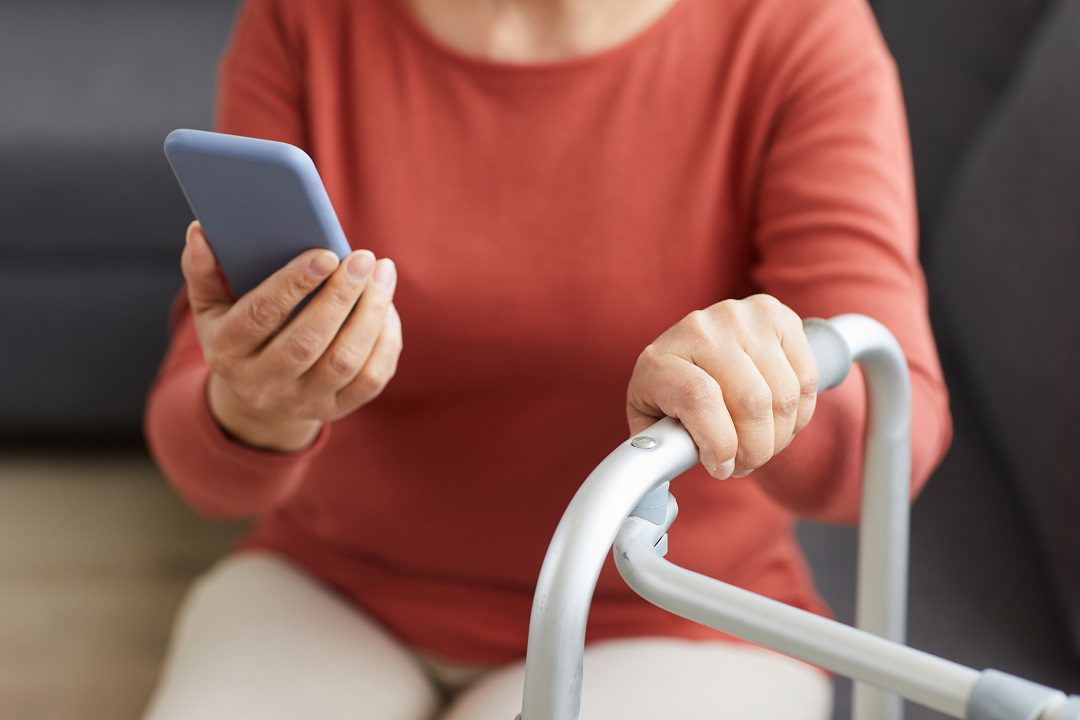







There are many things you can do to help your daily activities and reduce the risk of an accident.
Dementia can make activities like cleaning, gardening, cooking or dressing harder. For older people with dementia, the difficulties caused by dementia can be compounded by having less physical strength and mobility.
People with dementia and/or their families sometimes worry about safety at home. They might be worried about having a fall, leaving the stove on, or forgetting to lock up the house.
Below, people with dementia share some of the difficulties they’ve experienced and how they’ve coped.
Sometimes I leave a tap running and the sink overflows
- Install a motion detector activated tap.
- Use a pressure activated sink plug. If the sink or bath becomes too full it will empty rather than overflow.
I take a long time getting dressed
- Make it easier to decide what to wear each day. For example, buy multiples of clothes that you like and wear similar clothes each day (e.g. jeans and t-shirt). Or match up seven ‘outfits’ and wear the same combinations each day of the week.
- Declutter your wardrobe. Give away clothes you rarely wear. Organise your clothes and shoes so that it’s easy to find things.
- Choose clothes which are easier to put on. Get rid of clothes with complicated fastenings such as zips at the back or lots of buttons.
- Lay out the whole outfit on the bed in the order that you put it on (preferably well before you need to get dressed and ready to save a rushed decision – e.g underwear first followed by top-wear), so that you are not forgetting a layer or seeking out clothes while you are half-dressed.
- Sort your wardrobe at the start of the season so seasonally appropriate clothes are easy to find.
I keep forgetting to turn off the cooktop or oven
- Install a device which automatically turns off your cooktop or oven. There are relatively inexpensive safety switches which turn off after a set time (e.g. 30 minutes) which you can plug your electric oven into. There are more sophisticated devices such as the Vigil-Aide Electric and Gas Stove Isolation System that automatically switches the stove off after 20 minutes. This requires installation by a licenced trades person. Phone Assistive Technology Australia on free call 1300 452 679 for more information and advice.
- Cook when someone else is home, so the other person can check to make sure the stove or oven is off.
- Have a timer next to your cooktop. Practise setting the timer every time you cook something.
I have trouble cooking certain dishes, or hosting family meals
- Reorganise your kitchen so it’s easier to find things. Labelling storage containers and organise ingredients so that they are easy to find. Declutter kitchen drawers and keep only the utensils and equipment you often use.
- Organise your recipes. Write out recipes you use often and laminate them or put them in a folder.
- Before starting to cook, get out all the ingredients and equipment you need first, so that everything is in the one place.
- Choose simpler recipes which have less ingredients or steps.
- If there are important dishes you want to make for special celebrations, invite a family member or friend to make them with you.
- Buy some dishes pre-made or partially made, rather than cooking from scratch.
- Cook some dishes the day before the family meal, so you don’t have to multitask preparing several dishes at once.
- For family meals, ask others to bring a dish, or invite them to come early and help with preparation.
- You may like to download this free cookbook written by people living with dementia in America, so be aware they use American measures. The book also contains tips for organising your kitchen.
My family and friends worry about my safety want to take over jobs around the house
- Talk to your friends and family about how big the safety risk is. See if you can put in place devices or strategies so that you can keep doing the jobs you want to. Emphasise how you feel about being independent.
- Accept help, but let them know that you want a say in how jobs are done.
I worry about how I’ll manage if there is an emergency at home
- Have phone numbers for emergency services, neighbours, local friends and family programmed into your phone. Also have the list of emergency numbers written out by the phone if you have a landline, or keep the list in an easy to see space e.g. on the fridge, on the front of a kitchen cabinet.
- Install a video doorbell so that you can see who is there before answering the door.
- Install security cameras outside the home, you might let a family or friend monitor these.
- If you are often home alone, get a personal alarm system. This is a pendant that you wear around your neck or as a bracelet. In an emergency such as if you fall, you can press the button and it will alert the company and send a message to family or friends who can check up on you.
- There are some personal alarms systems that will detect a fall and alert a nominated person.
- Reduce the hazards in your home such as scatter rugs. This website gives home safety tips to prevent falls and you can do a self-assessment of the risk of falls at home.
- Wear supportive shoes, not sandals or slippers that may slip from lack of grip on the soles.
- Multi-focal glasses can be a hazard walking downstairs.
I forget to lock the doors and windows when out or at night
- Put a large note behind the front door, reminding yourself to lock the doors and windows when you leave (as well as reminding you to take your keys, wallet, bag and glasses).
- Install self-locking door locks, these are automatically locked from the outside, but not the inside in case of a fire. (Make sure you have a key safe outside in case you lock yourself out).
- There are different window security measures you can put in depending on the design of your windows, so that the window can be opened but still be secured.
- Put a large note next to your bed, reminding yourself to lock the doors and windows before going to sleep.
- Set a reminder on your smart phone to lock the doors and/or windows at night.
I find it hard to fix things around home
- Ask a family member or friend to do the fixing with you or for you.
- Hire a handyman.
- Join a men’s shed, it’s a friendly environment where there will be others who can help you fix things. Find a men’s shed here.
I bump myself walking through doorways or past furniture
- Put in brighter lighting and light dark areas such as hallways and storage areas.
- Add contrasting colours to the edges of doorways or stairs.
- Rearrange your furniture so that there is more space to walk.
- Even inside, try using a walking stick as this gives you extra information about where things are.
Ask others for strategies
Asking what strategies others use at dementia friendly or support groups can give you many more ideas to help with your daily activities at home, and to reduce the risks of an accident.
An occupational therapist is a trained health professional who a can suggest strategies and home modifications that focus on keeping you independent and doing things for yourself. You can read more about OTs in the next article.
Try out some strategies
- Write down some of the strategies above and try them out.
- Ask your doctor for a referral to an occupational therapist. This could be part of a chronic condition management plan which provides subsidies for allied health services.
- You can find a private OT here.
- Read the next article 3.14 to find more about what an occupational therapist can do for you.