

The sections below contain information, tools and helpful strategies used by carers of people with dementia
Chapter One
Carers can learn more about dementia so you can adapt and continue living your life.

Caring for, or supporting, someone with a dementia diagnosis is not easy. Understanding more about dementia can help you better prepare and adjust to life with dementia
Getting information and understanding the specific type of dementia can help you better prepare and adjust to life with dementia

Make a follow-up appointment with the doctor to find out more and ask questions

Choose what information you need, and in what form. Some people are happy reading on the computer, some like videos, others like printed brochures or books

Life with dementia, despite the challenges, can be meaningful and even bring surprising rewards
Many people with dementia do a lot for themselves and for others and are in control of their lives, even if they get help for some tasks
Learning how others have adjusted and moved forward with dementia give a sense of hop

Dementia mostly progresses slowly but the progress differs for each person

Support is out there, but it is how you use it that is important
Plan to have (and use) the right supports, and ensure that you do not become exhausted by your caring responsibilities

Many families want to know about the risk of inheriting dementia or ‘passing it on’ to their children or grandchildren
Chapter Two
Carers can understand and process their feelings.

Carers describe strong emotional reactions to being told the diagnosis
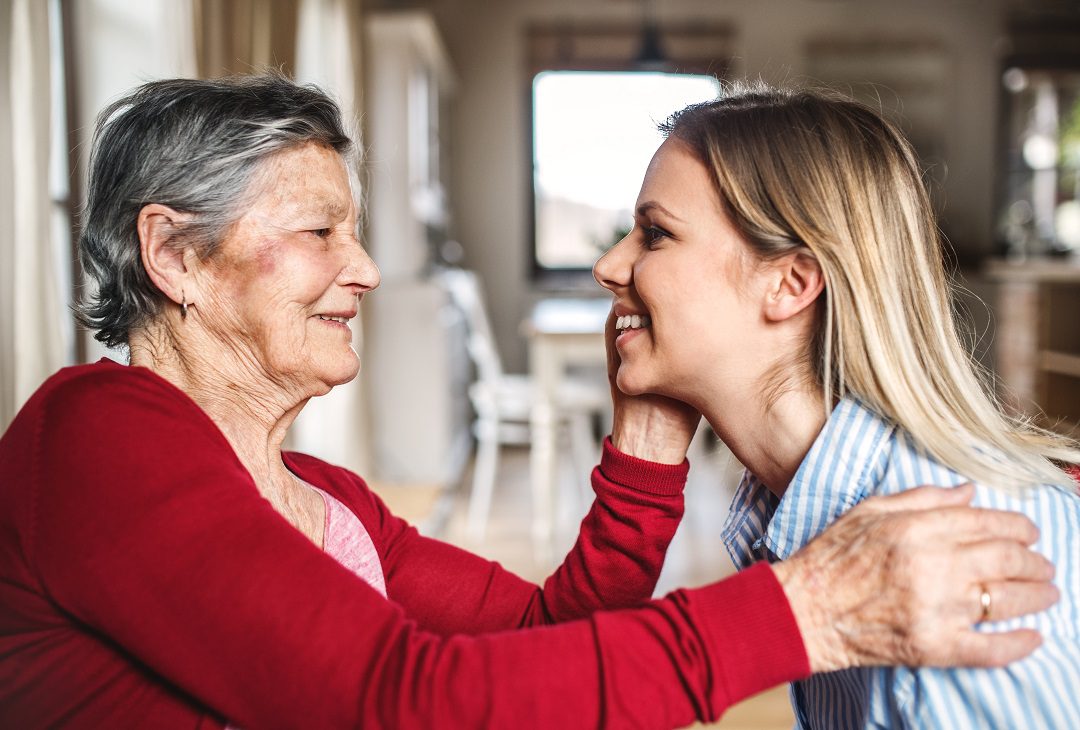
Expressing, talking through and accepting your feelings about the dementia diagnosis

Sometimes intense feelings last for a long time and don’t seem to resolve

Develop and use support networks helps you move forward, positively

Open and honest sharing can help you express your feelings and support each other

Sharing the diagnosis helps you to come to terms with it, and ultimately, get the support you need

Carers describe a range of reactions by family and friends when they tell them about the diagnosis

Sharing the diagnosis helps you to come to terms with it, others to understand and ultimately, get the support you need

It is helpful for professionals who provide you with services to know that the person has a dementia diagnosis

You may need workplace changes so you can provide the sort of support you want to give
Strategies for when others treat you differently because of dementia
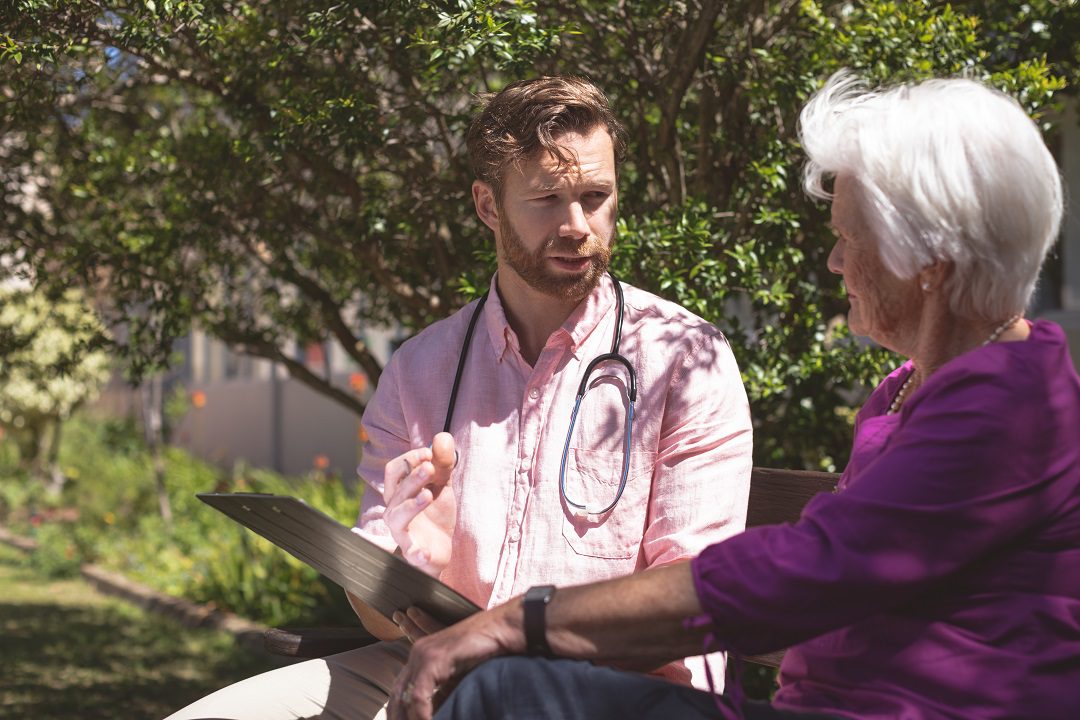
Some health professionals may not have much experience with dementia

Caring for a person with dementia takes time and energy. As a carer, you will need support yourself
Chapter Three
Strategies for carers to manage symptoms and changes.

Dementia brings many changes. Being prepared helps you give and get the best support
Memory and thinking difficulties are common to dementia, but don’t have to define your life

Medications may be useful to assist with memory and thinking for some people

Strategies that reduce anxiety for people with dementia

Cognitive stimulation, cognitive training and cognitive rehabilitation
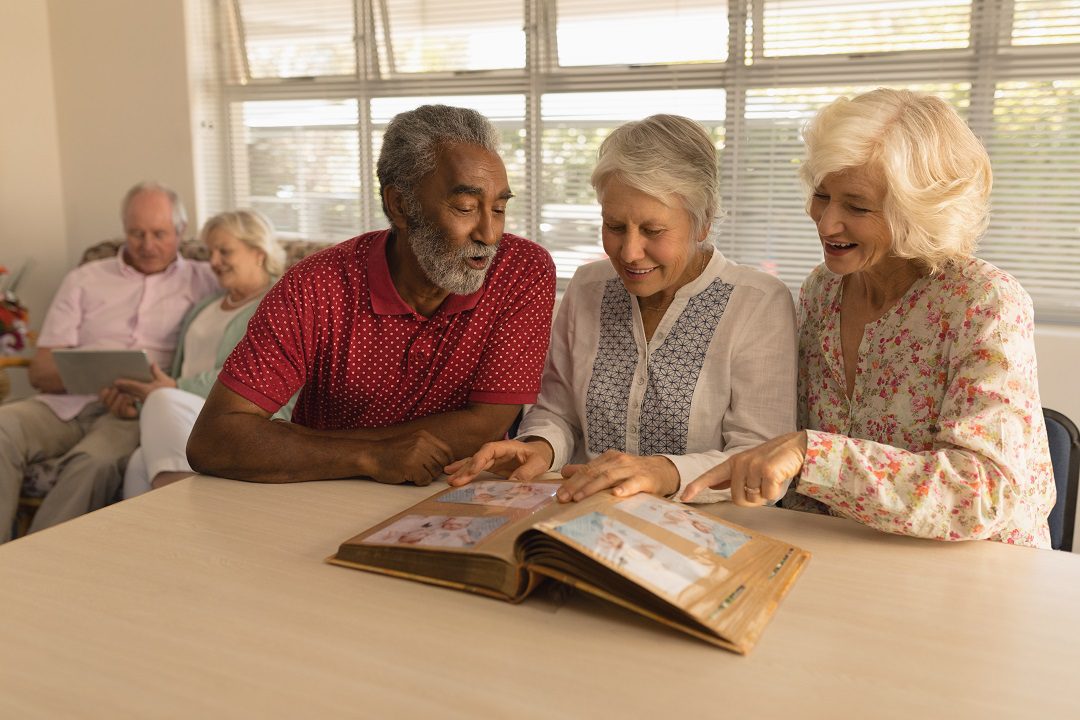
Dementia makes it harder to learn new things but people with dementia can develop new habits

Communication changes are common in some types of dementia
Understanding why these changes occur is key to managing them effectively
Strategies to help maintain focus and stay on task

Setting up a task and providing encouragement can help the person maintain a skill and preserve their self-esteem
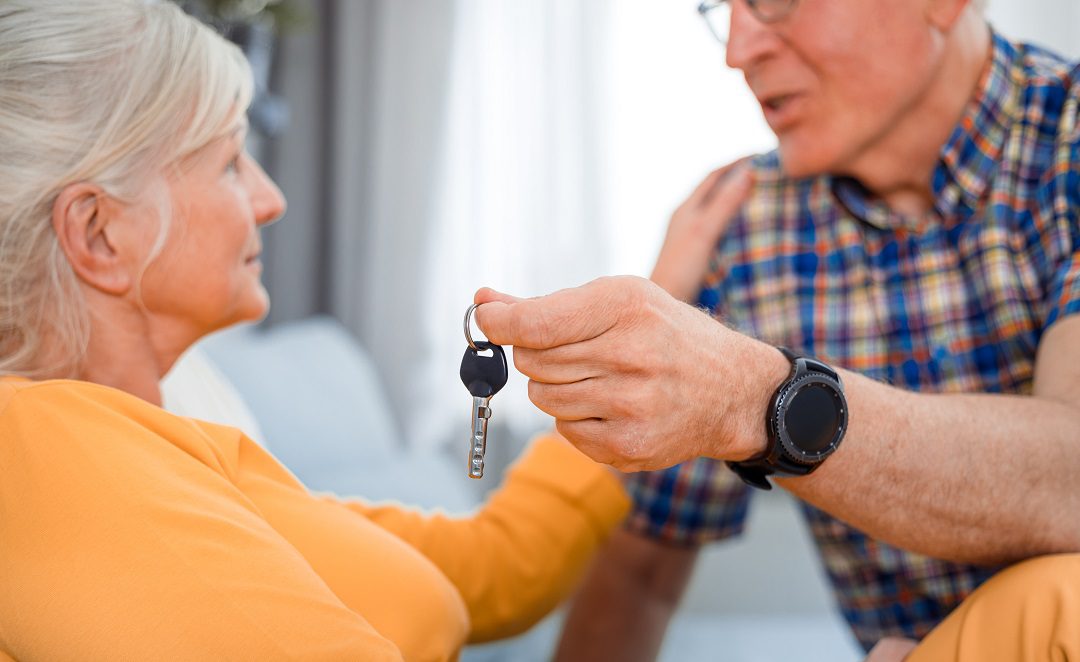
It is not always necessary to give up driving straight after a diagnosis, but the driving authority and insurer must be informed
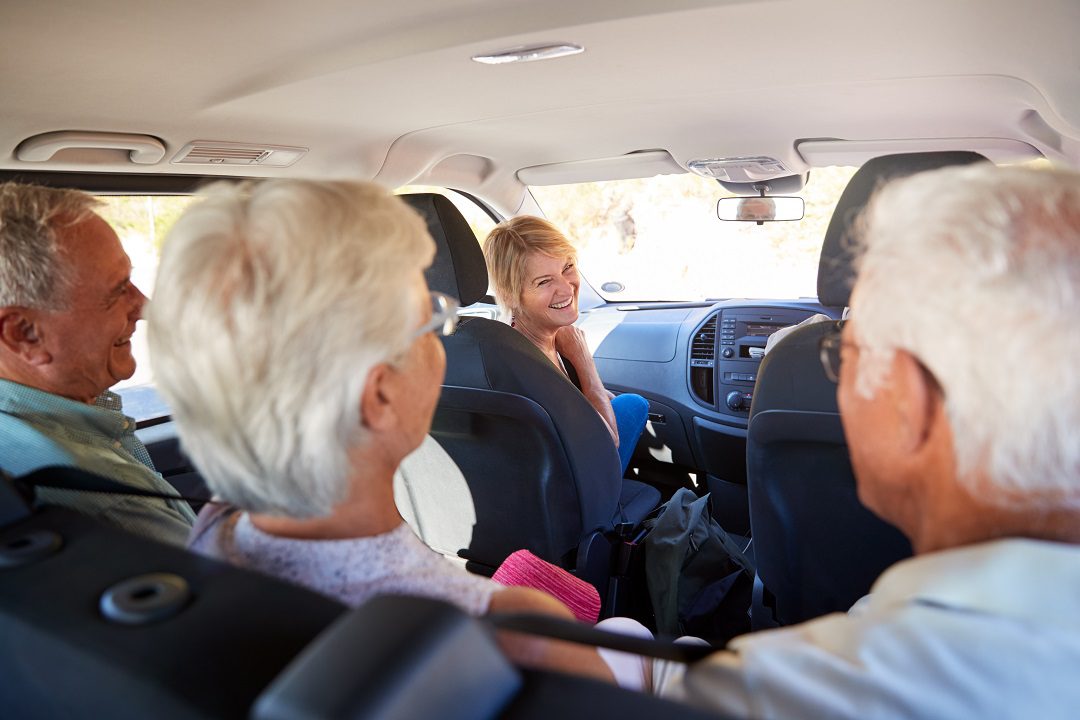
Start discussions as early as possible and get professional support if needed

Taxi subsidies, community transport and other strategies when the person you support stops driving

It is important for you both to keep social and other activities outside home

Use services to ensure the person you support can keep living successfully at home

A few key changes in the home will support people with dementia to function better

Considerations for living at home or moving to supported accommodation
Using the right therapies can help symptoms
Use products that help people with dementia stay connected and safe
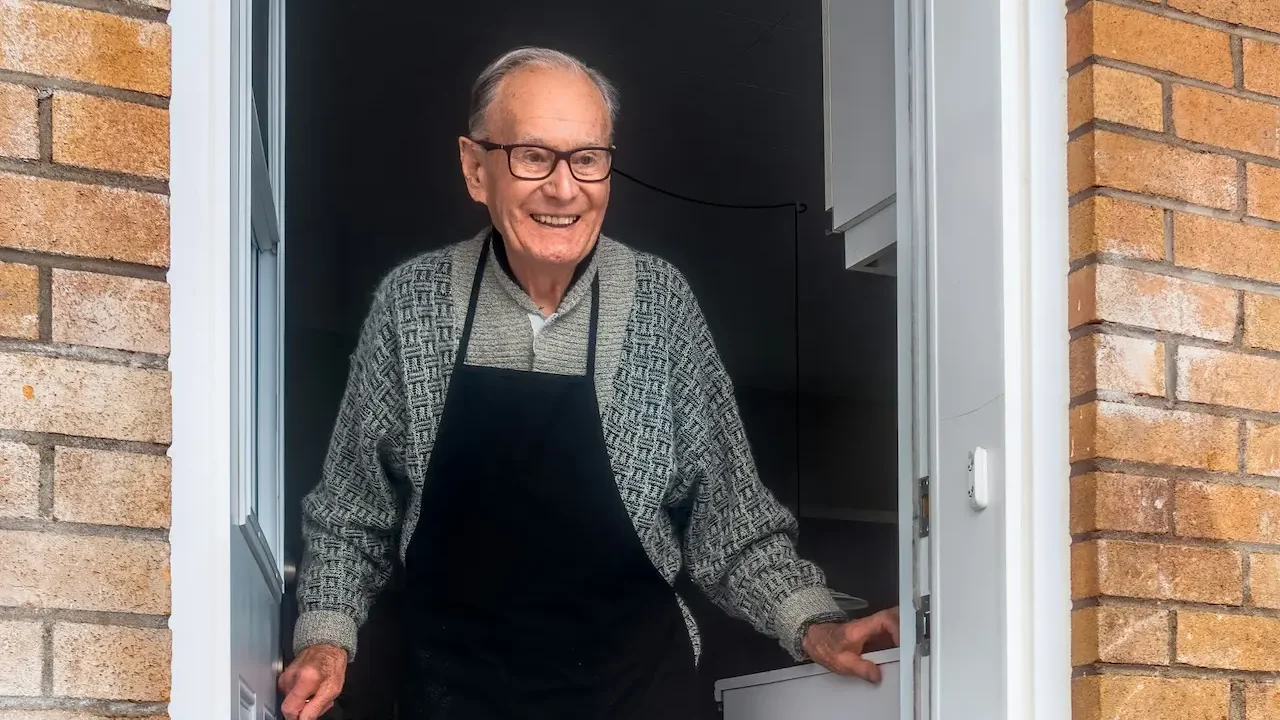
Living alone may be possible but requires planning and support
Chapter Four
For carers: Improve your physical and emotional health.

Look after your physical, mental and emotional health, it will help you both move forward

Exercise can help to improve or maintain memory, thinking, and daily function

Eating well is important as diet has a big impact on brain health, energy levels and mood for you and the person you support

As we get older, we all experience changes to our sleep patterns

Avoid carer burnout. Prioritise taking breaks that will ‘recharge your batteries’

There are many challenges for carers. Being able to ‘bounce back’ is important for your mental health.
Chapter Five
For carers: plan for now and the future.

Make a life plan and put it into action to help you move forward

Creating a life plan is a series of steps

Things won’t always go to plan, so adjust and adapt along the way

Learning about services and getting them in place for you and the person you support is an important part of moving forward
There are services for the person with dementia and for carers

This page is about government services through My Aged Care is for people 65 years or over

The NDIS funds services to enable the person with younger-onset dementia to live their daily lives

These might offer an array of services, groups and activities
There may come a time for all of us when it will be difficult to express our wishes, so it is important to have plans for the future in place
There may come a time for all of us when we can’t make decisions about medical or health care, or lifestyle decisions, such as whether to move to residential care

Power of attorney, protection from financial abuse and preparing will(s)

Get important documents in one safe place and make sure people you trust know where they are
Downloads
Access worksheets, discussion primers and more.
Search for answers
Learn from others
Read stories of real people who have experienced a dementia diagnosis.
Stories
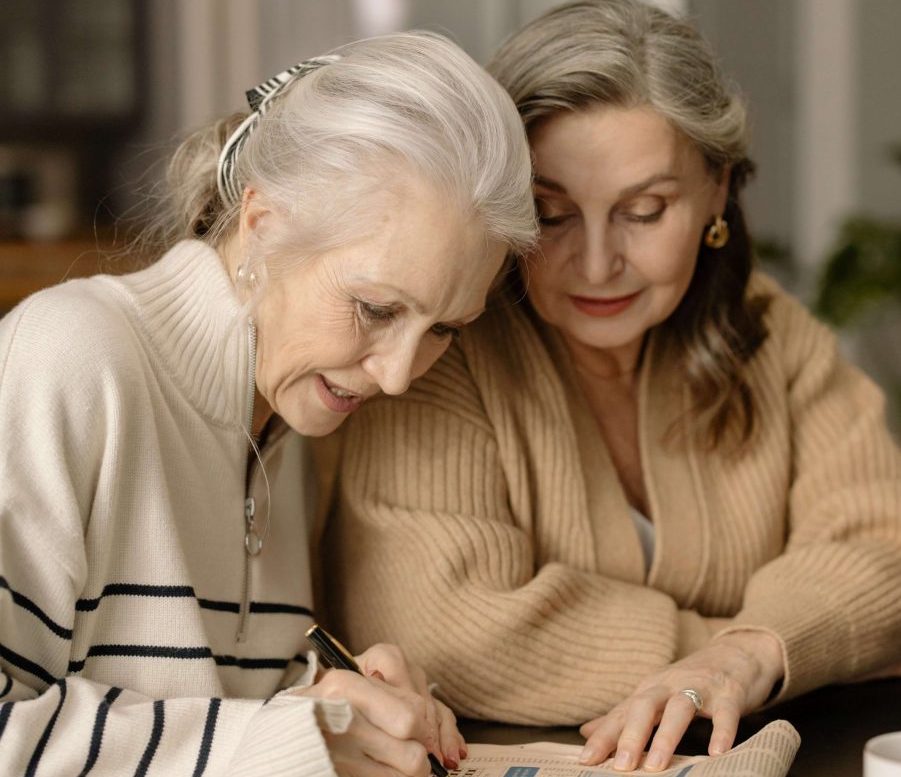
The dementia diagnosis was a shock to them both. Maeve and Kerrie talked at length about their future and the best way forward.

News
Dennis Frost felt relieved when he finally received his diagnosis of frontotemporal dementia.
Stories
Living alone doesn’t equate to being lonely! Michael is optimistic and hopes his ideas and experiences will help others.