


Dementia brings many changes. Being prepared helps you give and get the best support

Memory and thinking difficulties are common to dementia, but don’t have to define your life

Medications may be useful to assist with memory and thinking for some people

Strategies that reduce anxiety for people with dementia

Cognitive stimulation, cognitive training and cognitive rehabilitation

Dementia makes it harder to learn new things but people with dementia can develop new habits

Communication changes are common in some types of dementia

Understanding why these changes occur is key to managing them effectively

Strategies to help maintain focus and stay on task

Setting up a task and providing encouragement can help the person maintain a skill and preserve their self-esteem
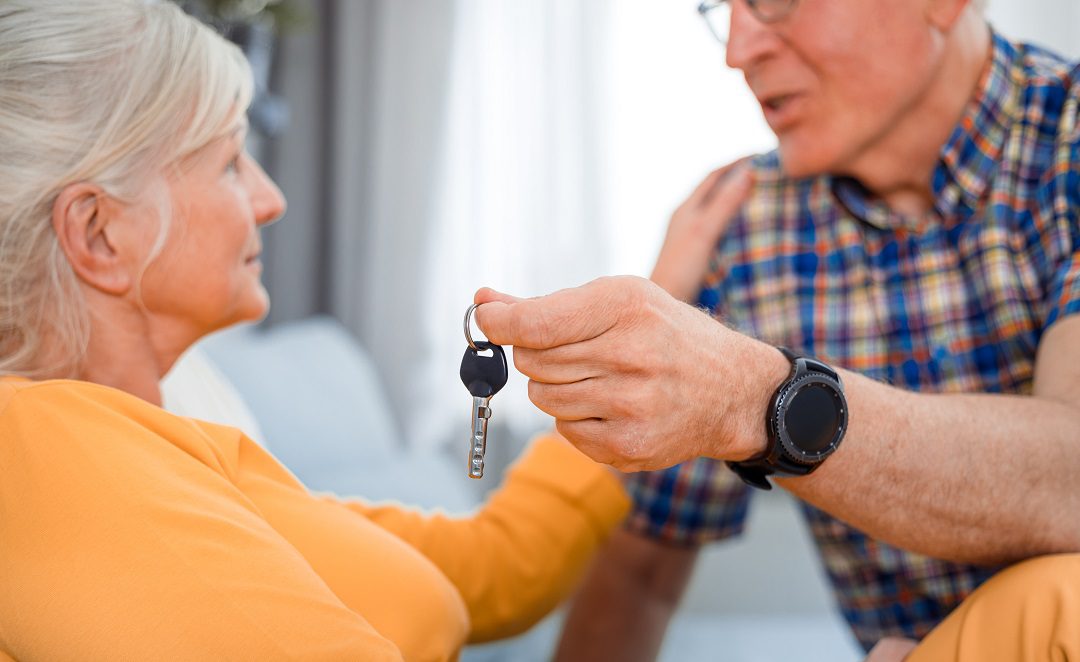
It is not always necessary to give up driving straight after a diagnosis, but the driving authority and insurer must be informed
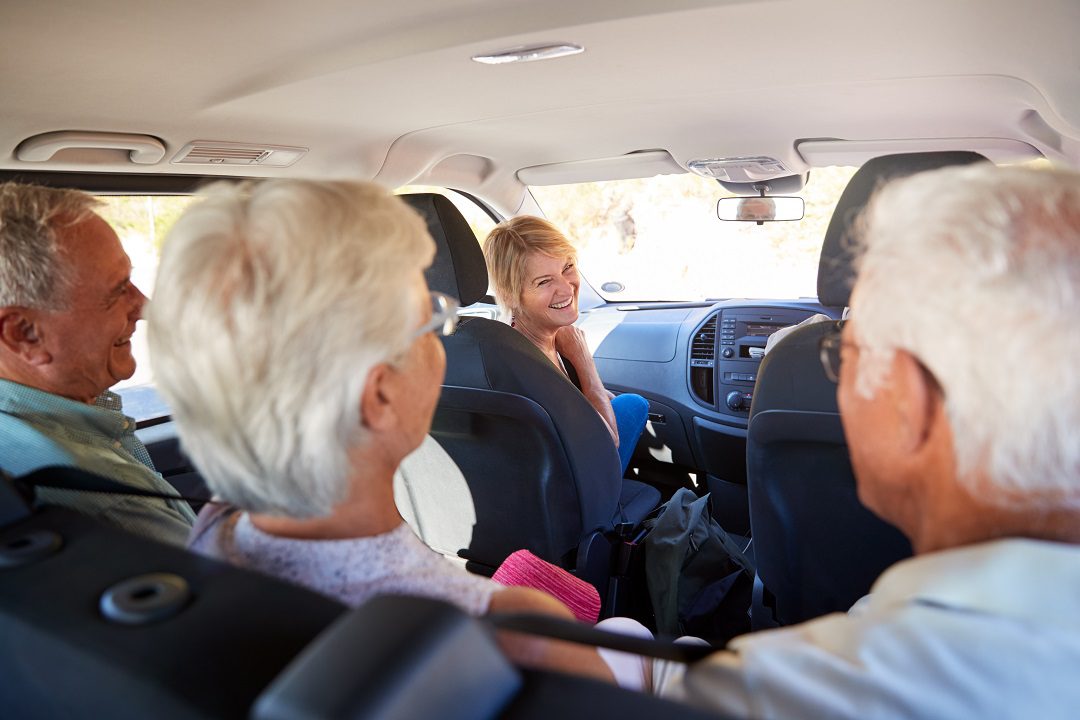
Start discussions as early as possible and get professional support if needed

Taxi subsidies, community transport and other strategies when the person you support stops driving

It is important for you both to keep social and other activities outside home

Use services to ensure the person you support can keep living successfully at home

A few key changes in the home will support people with dementia to function better

Considerations for living at home or moving to supported accommodation

Using the right therapies can help symptoms

Use products that help people with dementia stay connected and safe
Search for answers