






Speech pathology (therapy)
Speech pathology (or speech therapy) is delivered by a trained health professional, known as a speech pathologist, who can help with communication. Speech therapy doesn’t just help with speech (e.g. pronunciation), but with all aspects of communication including expressing yourself, and understanding others. Speech pathologists can help with word-finding difficulties, when you have trouble telling a story, or following a conversation. They sometimes work with your family and friends so that two-way communication is more effective.
There is growing research on the benefits of speech therapy on improving the communication of people with dementia.
- Speech Pathology Australia’s website explains more about what a speech pathologist does.
- You can search for a speech pathologist in your area using this search function.
- This video may help you to understand changes in your communication or your speech.
Occupational therapy
Occupational therapists (OTs) are trained health professionals who support people to manage everyday activities. This may include practising how to use public transport, walking safely with aids, navigating apps on a smartphone, or carrying out household tasks. OTs will also advise on home modifications to improve safety and function. Research shows occupational therapy helps people with dementia maintain independence and delay the need for residential care.
OTs work with carers and some OTs are specifically trained to assess driving. Particularly for people with younger-onset dementia, OTs work with people and employers in job redesign and work environment adaptations.
- Learn more about how an OT can help here
- You can search for an occupational therapist in your area.
Other therapies
- Psychologists can help you with mental health issues (like anxiety and depression) and may provide cognitive rehabilitation therapies.
- Physiotherapists support mobility, balance, and provide exercise programs and fall reduction programs. Physios also help a comprehensive approach to managing pain.
- Exercise physiologists support and improves fitness, strength and balance.
- Music, art, or recreational therapy – encourages engagement, emotional expression, and enjoyment.
See 5.3 Plan to use services on getting funding for therapies.
Ask your doctor
- Ask your doctor to refer you to a speech pathologist, occupational therapist or another therapist.
- Your GP can help you to develop a chronic condition management plan, so you get five subsidised visits to allied health professionals (such as speech pathologists and occupational therapists).
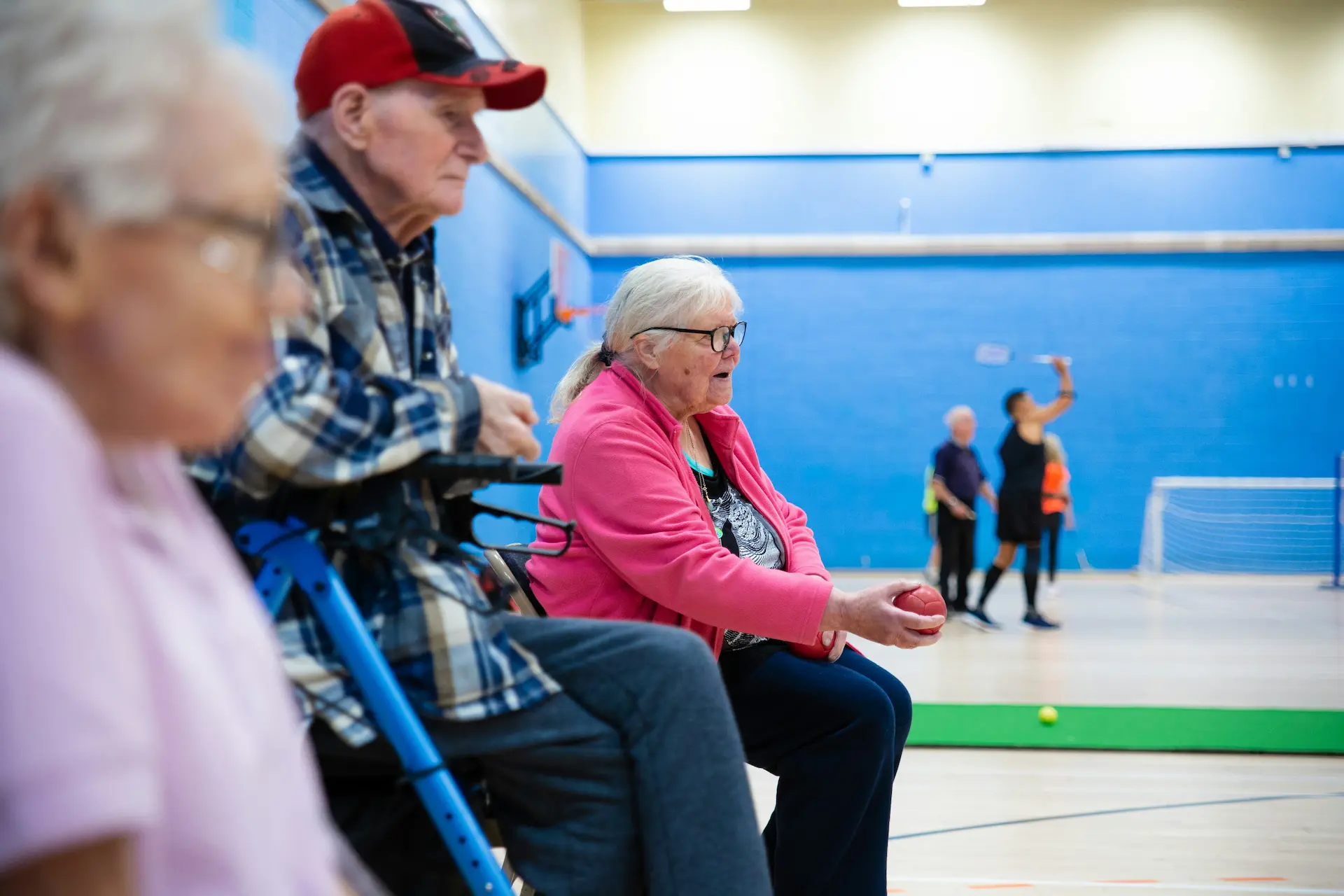
Photo: Centre for Ageing Better via Unsplash