

The sections below contain information, tools and helpful strategies used by people with dementia. Take action to live well after diagnosis.
Chapter One
People with dementia can learn more about the condition to better adapt.

Knowledge is power. Understand your symptoms, treatment options, and take steps to adjust to life with dementia

Understand your type of dementia so you can adjust

Your doctor can advise you on treatments and lifestyle

Some people prefer to have as much information as possible, and others prefer to focus on what they need to know right now. Choose what information you need, and in what form

Have hope! You can adjust to dementia and continue living your life
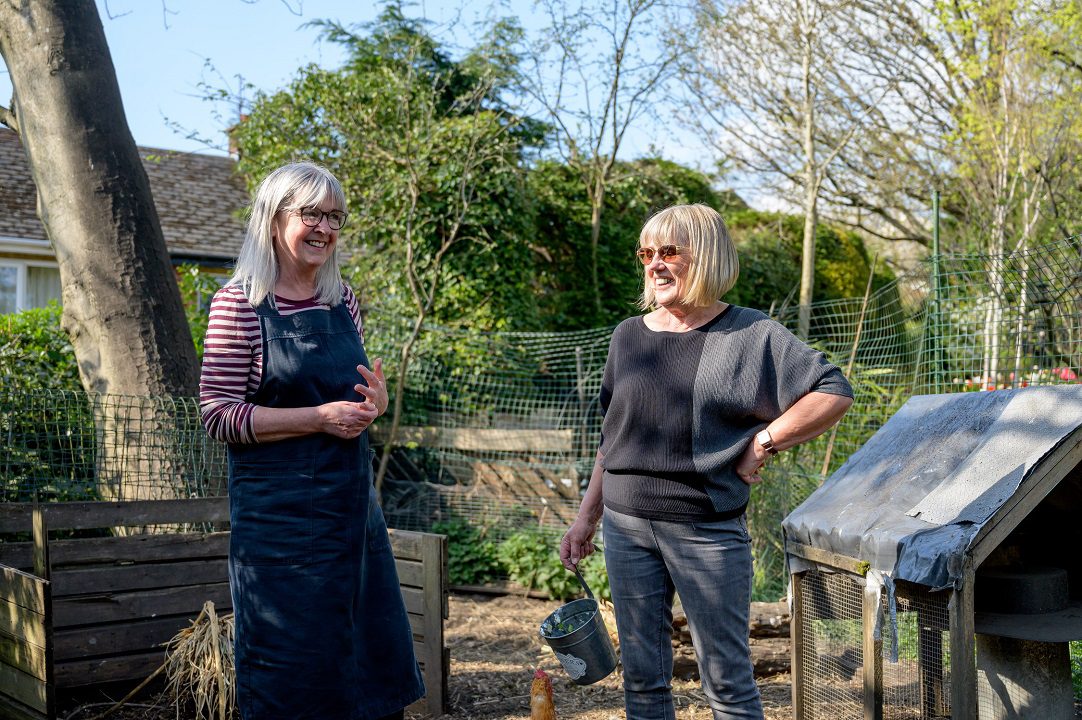
Don’t be trapped by stereotypes of dementia

For many people, meeting others living with dementia was a turning point in finding hope

Some people want to know everything about dementia including what will happen in the future. Others don’t want to think about the future yet. Read this page when you’re ready

Many people with dementia are concerned about whether it is a genetic disease, and whether their children or grandchildren are more likely to get dementia
Chapter Two
People with dementia can understand and process their feelings.

Managing your feelings is a key step in moving forward with dementia

If you’ve just been diagnosed, the idea of having dementia can often be more disabling than your current symptoms of dementia
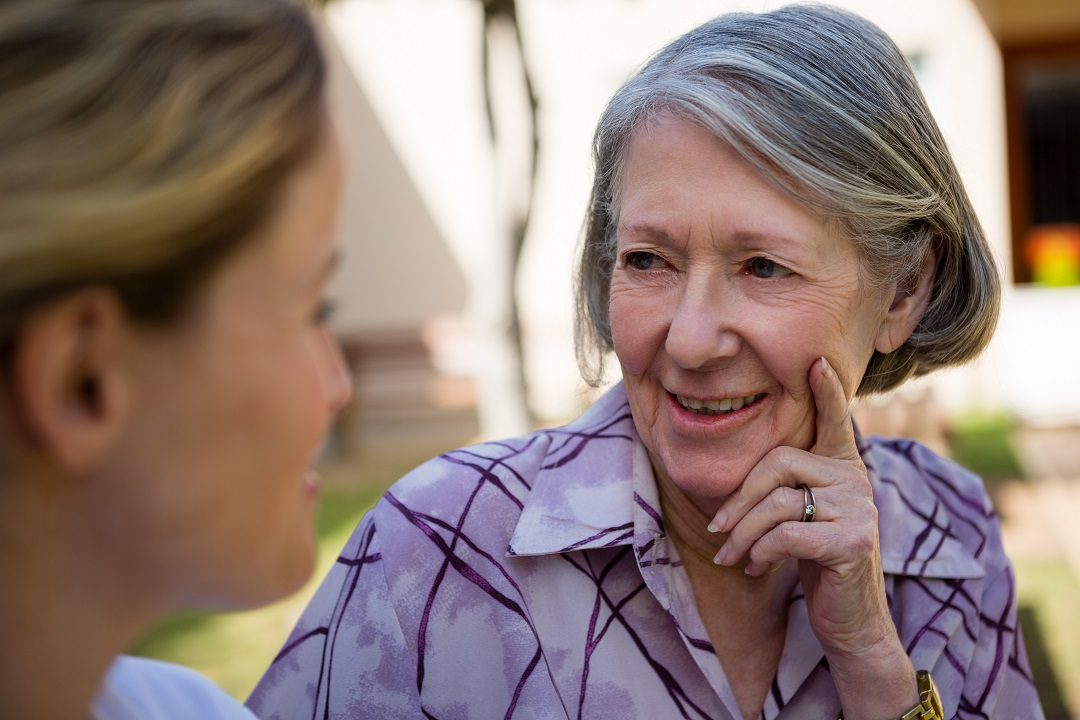
Counselling, support groups and advisors can help you come to terms with diagnosis

Be confident and positive, you are not your dementia

Techniques to boost self-image and challenge self-stigma

Get treatments for your mental health

Your diagnosis affects others. Share your diagnosis and move forward with dementia together
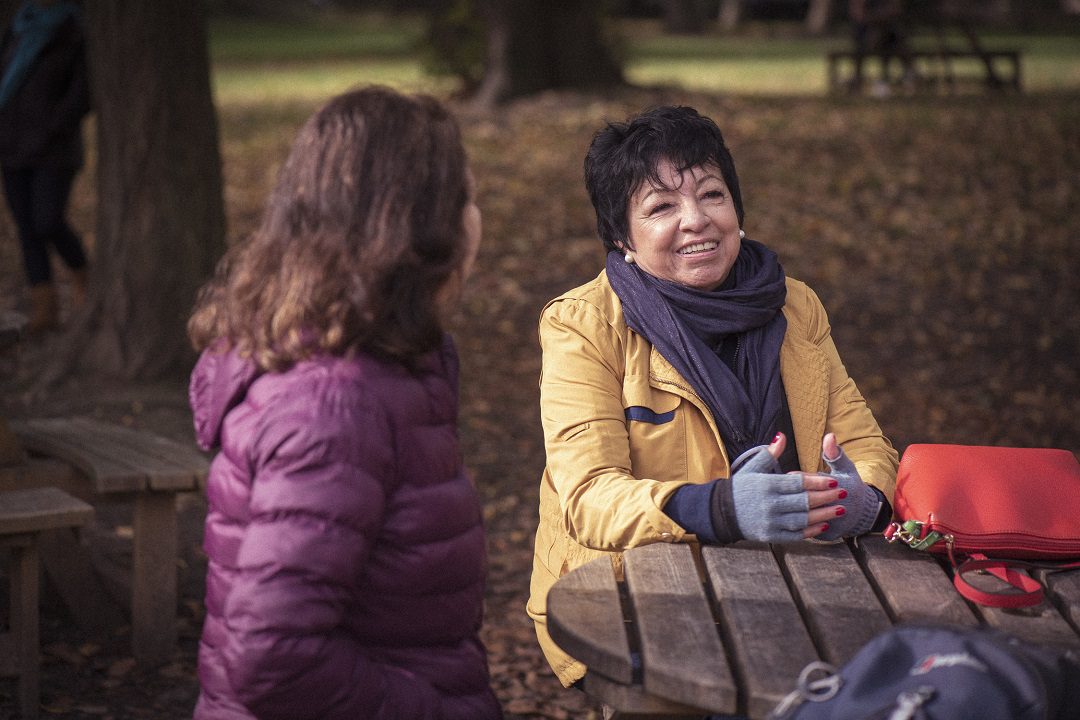
You are in control of who you tell your diagnosis to, how you tell them, and when you tell them

Start by telling the people you feel closest to

Share your dementia diagnosis with other health professionals and be assertive about getting therapy and services

Depending on your work role, you may be able to continue working or make adjustments to your role

Strategies for when others treat you differently because you have dementia

Be assertive telling others how you do and don’t want to be treated
Chapter Three
Strategies for people with dementia to manage symptoms and changes.

Live a meaningful life with dementia with the help of strategies and therapies

Memory and thinking difficulties are common to dementia, but don’t have to define your life

Some medications may be useful to manage memory and thinking in dementia

Cognitive stimulation, cognitive training and cognitive rehabilitation

Dementia makes it harder to learn new things, but you can learn and develop new habits

Sometimes dementia damages the part of the brain that interprets information from the senses

When people are told they have dementia, they often worry about whether they will be allowed to drive, or whether they should still drive

If you can no longer drive, there are government programs, taxi subsidies and community transport options

It’s often harder to get out of the house and do things with dementia

People with dementia share their strategies to overcome difficulties when out and about

At dementia friendly groups or activities, people are more accepting of your symptoms
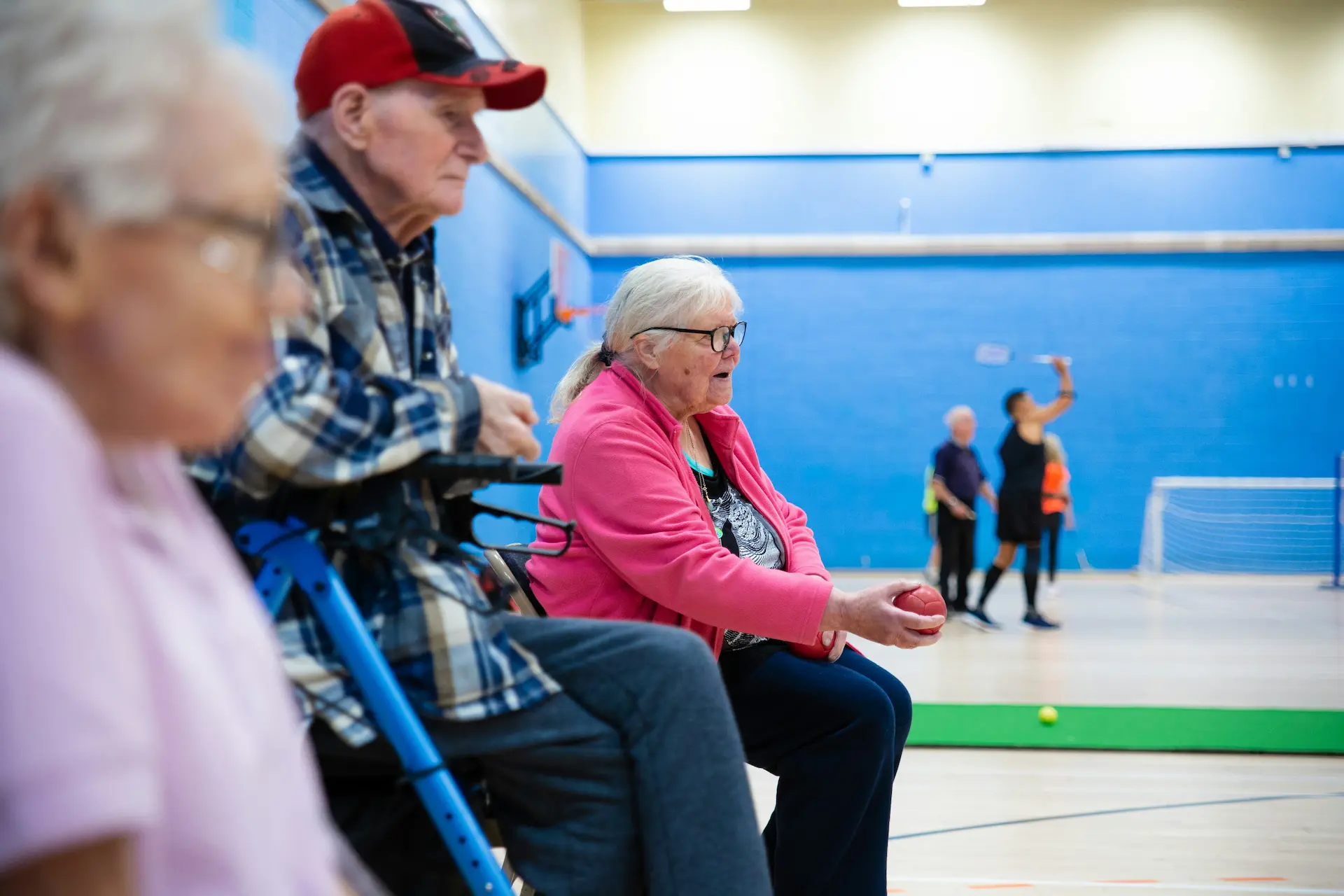
Therapies can help you undertake day-to-day activities and maintain your independence

People with dementia share their strategies to overcome difficulties around home

Even small changes in your home can help you function more independently and keep you safer

Cleaners, gardeners and handymen can do jobs that might be difficult or dangerous for you
Chapter Four
For people with dementia: Improve your physical and emotional health.

Keep physically healthy to improve your quality of life

Exercise can help improve or maintain memory, thinking and daily function as well as help prevent falls

Try to eat fresh, healthy food which includes lots of fruits and vegetables. Your brain will work best with this fuel

With dementia, even doing usual activities can be mentally tiring
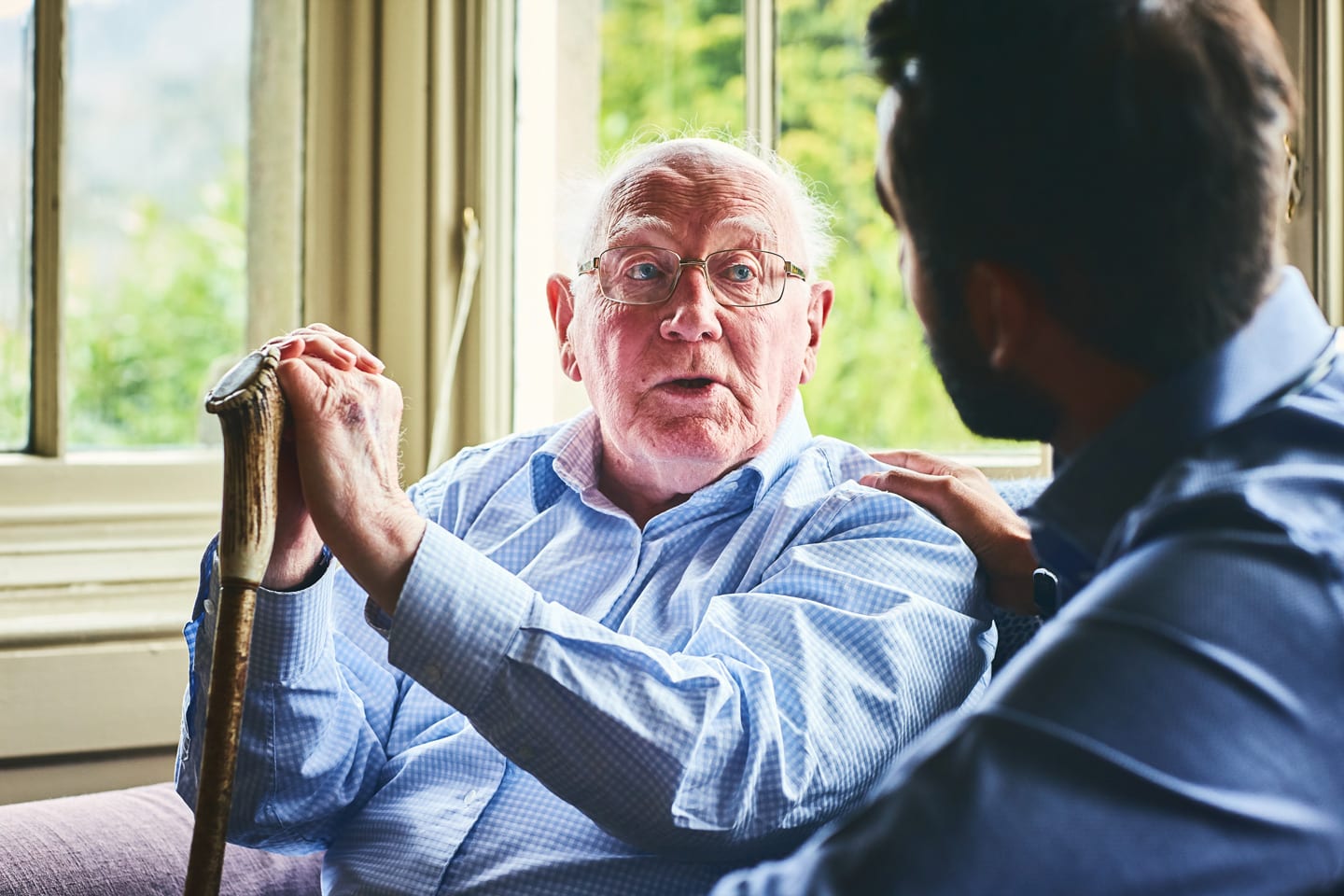
If your overall health is well managed, your brain health will benefit

There is a strong link between your mental health, mood and how well your brain is working
People with dementia can grow new brain cells and neural connections

Keep spending time with old friends and make new ones

A local group or club is a great way of socialising and meeting new people
Chapter Five
For people with dementia: Plan for now and the future.

Make a life plan and put it into action so you can keep doing the things that matter to you

Once you have your life plan, put it into action. Things won’t always go to plan, so adjust and adapt along the way
Services can help you maintain independence and provide practical and emotional support to improve your wellbeing

Talking to your family means that they know what your future wishes are

Organising wills, enduring power of attorney, enduring guardianship and an advance care plan ensures your wishes will be undertaken in the future

Put financial plans in place so you can be involved in decisions about future care needs
Downloads
Access worksheets, discussion primers and more.
Search for answers
Learn from others
Read stories of real people who have experienced a dementia diagnosis.
Stories
Cheryl found it hard to hear anything after the diagnosis, so her advice is to ask your doctor for written information. That way you can look at it and digest it after you get over the shock.

Stories
Hi, I’m Chris and I am the carer for my husband Craig, who has behavioural variant Frontotemporal Dementia (bvFTD).

Stories
There is help out there, but you have to ask.