






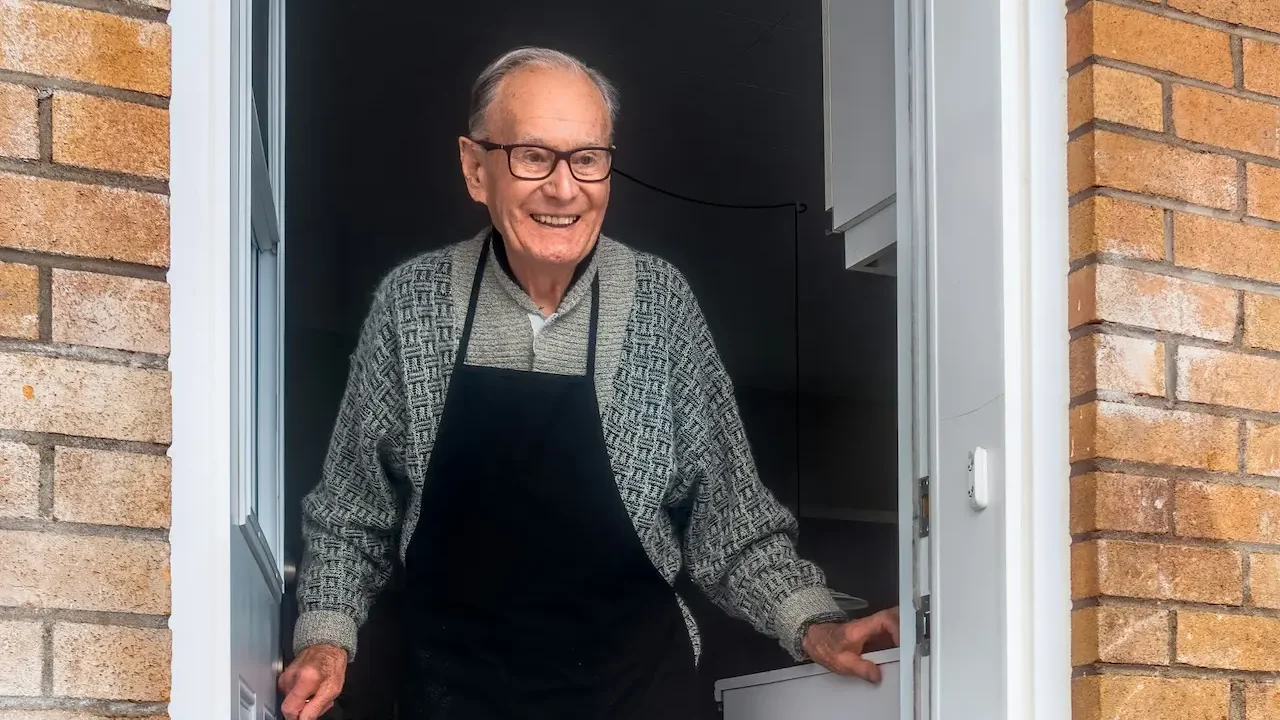
Many people live alone and wish to continue to do so following a diagnosis of dementia. Depending on their personal circumstances, type and stage of dementia, other health conditions and support available, good planning for now and for the future may help them live at home for longer.
Develop support networks
As a ‘remote’ carer, supporting someone who lives alone can be challenging. Concerns need to be thought through, as well as working out a support system and the roles each person or service will deliver. Support systems can include friends, family and neighbours; formal supports through Aged Care Services, the person’s GP, other health and social care services, and Peers and Dementia Friendly Communities.
Practical considerations
To live safely and well on their own with dementia requires planning. Start with considering the things that are difficult for them to manage independently, or things you are concerned about. Once you have identified concerns, working on ideas to manage becomes easier. However, making a list of concerns may feel overwhelming, so start by making a list of only those things you are concerned about right now.
To get you started here are some common concerns people living alone with dementia have told us about:
These are only a few ideas. It can be helpful to discuss your concerns with supportive family, trusted friends, health care professionals and especially other people living with dementia who have found solutions to addressing concerns about living alone.
You might want to attend peer support groups and connect with others locally or online. See here for peer support run by Dementia Alliance International, and here for Dementia Australia’s ‘Connecting Peers’ program.
You may also like to use the ‘My life plan worksheet’ to help you identify goals and work out strategies to help you stay at home.
Andrew used the Dementia Australia Peer Support program to talk with another person with younger onset dementia about living alone. He found many solutions to living independently he had not considered.
Doreen was had lived in her home for forty-years and has great neighbours. She hung her towel out in the sun on her back porch each morning after her shower. This was also a message to her neighbour, who could see her porch, that she was up and about. If the neighbour did not see the towel, she would come over to check on Doreen.
Stay connected with technology
Technological solutions to help you live alone are rapidly developing. Technology can help set daily reminders, find lost items, automatically alert someone if you fall, improve your in-home and out-of-home safety, and help you stay connected socially. You can explore the huge range of technologies through the National Equipment Database here and Smarter Homes Australia here.
A guide for conversations about living alone
The Alzheimer Society of Canada has prepared a comprehensive checklist of topics to consider when having conversations about living alone with dementia. You can access this checklist here
Working through this checklist with the person with dementia, the carer and other family will highlight how much risk different parties are happy to tolerate. It also provides ideas for benefits of living alone in a familiar environment versus moving to supported accommodation as well as strategies to avoid common problems when living alone with dementia.
When the person with dementia refuses to talk about support
Some people with dementia have poor insight into issues they many be having or appear to lack awareness of safety. Understanding the level of awareness they have is important to pitch your conversations. See Article 2.6 The person with dementia won’t talk about their diagnosis. This link to our sister website discusses approaches to having conversations about assessment for dementia, but contains many tips and provides a strategy for structuring difficult conversations which are relevant.
Important actions
Use the Circle of Friends worksheet to help work out how and when the person wants to share the diagnosis.
Use the My Life Plan worksheet to help identify goals and work out strategies to overcome barriers
Apply early for services. Getting services is not a quick process. Read this section Starting early is key to finding a service provider who you can work with, and can help you to move forward positively.
Watch this video on creating dementia friendly homes. This video gives practical tips on adapting your home to better support you.
Photo: Andre Ouellet via Unsplash