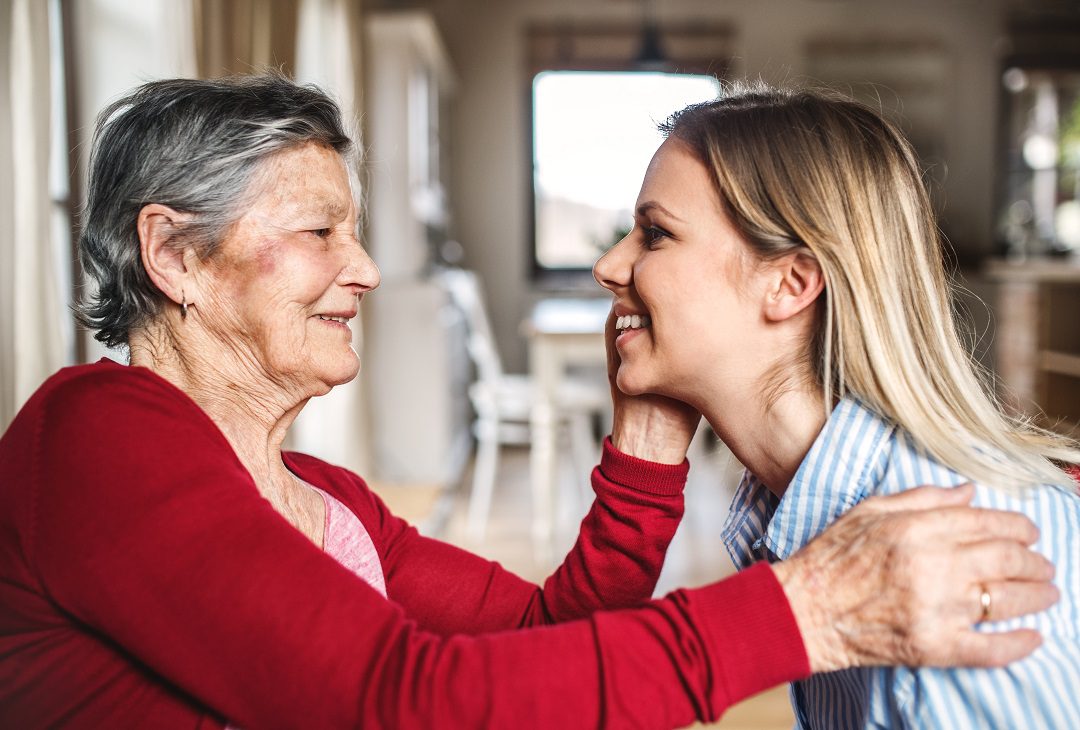







Carers have told us about having strong emotional reactions to being told the diagnosis in someone they care about. Many said they couldn’t listen, think or do much immediately after the diagnosis, it was so overwhelming. Some found it difficult to cope with the variety of emotions they felt.
- Deborah told us she “felt a tidal wave of emotion”.
- Sally said, “it was a relief to put a name to what was happening”.
- Josef felt “his world just ended”.
- Cheryl said she “immediately felt protective of her husband and worried about his reaction”.
- Amanda told us that she was “really angry about the deal life had given them”.
This is perfectly normal. All of us react differently and different waves of emotion may come and go quite quickly. It takes time for strong or overwhelming feelings to settle down.
For some people it takes a couple of days, for others a couple of weeks. If it takes more than a couple of months and you’re still feeling extremely distressed about the diagnosis, then it is time to get help to work through those feelings. Strong feelings can get in the way of moving forward with dementia.
Different and difficult feelings
If the person with dementia has been diagnosed early in the course of the disease, the sense of loss, grief and sometimes constant worry about the future can be more disabling on your lives than the current symptoms of dementia. Thoughts about plans that may not be fulfilled, or guilt about things that never happened, are common. You may recognise emotions often described as ‘stages of grief’—shock, denial, bargaining, depression, and acceptance. These don’t occur in a neat order, and even after reaching acceptance, other emotions can return.
These worries and feelings may get in the way of taking part in and enjoying activities in your lives. Withdrawing from activities may increase your feeling of sadness or loss and actually make the person’s dementia appear worse. Social and mental stimulation is nourishment for the brain! For more information read 3.5 Cognitive therapies and rehabilitation.
Some carers and people with dementia feel embarrassed about having dementia. They worry about the reactions of others. It is important to remember that dementia is a chronic disease, just like diabetes or arthritis are chronic diseases. Dementia is not something to be ashamed or embarrassed about.
Today, in Australia around 400,000 to 459,000 people have dementia. Almost everyone will have a family member or know someone with a family member living with dementia.
Read Cheryl & Kevin’s diagnosis experience.
Situations that complicate feelings
There are situations that will complicate feelings.
If the person is younger, diagnosis can be a more of a shock, as dementia is often thought of as an older person’s condition. If a younger person is still employed, the worry of telling employers and potentially losing a livelihood can be quite disabling. Read the part of this website that focusses on people with young-onset dementia for support and ways to manage.
Long-term relationship problems can be amplified following a diagnosis of dementia; there can be enormous feelings of guilt about leaving or resentment about staying in the relationship. Some types of dementia can reduce the person’s ability to empathise or emotionally relate to you. This can be very damaging for relationships and significantly complicate feeling about the diagnosis.
If a person with dementia asks that the diagnosis be kept private, carers may feel cut off from friends or extended family who could otherwise provide support. You can feel very isolated. If you do share the diagnosis with others, even in confidence, you can feel disloyal.
Talk to others about your feelings
It is important to be able to share your feelings about dementia and talk through the reasons for your feelings, even if feelings are complicated. Sharing will help you come to terms with the diagnosis and its implications.
Contact the Dementia Australia Helpline on 1800 100 500. The free counsellors will listen and help you make sense about your feelings about dementia.
If you experience conflict in having these conversations with family, consider using the Elder Support and Mediation Service provided by Relationships Australia in your state or territory. Relationships Australia offers specialised counselling and other support to assist people and their families to prevent or resolve family conflict, have difficult conversations and plan for the future (including medical, health, financial and living arrangements).