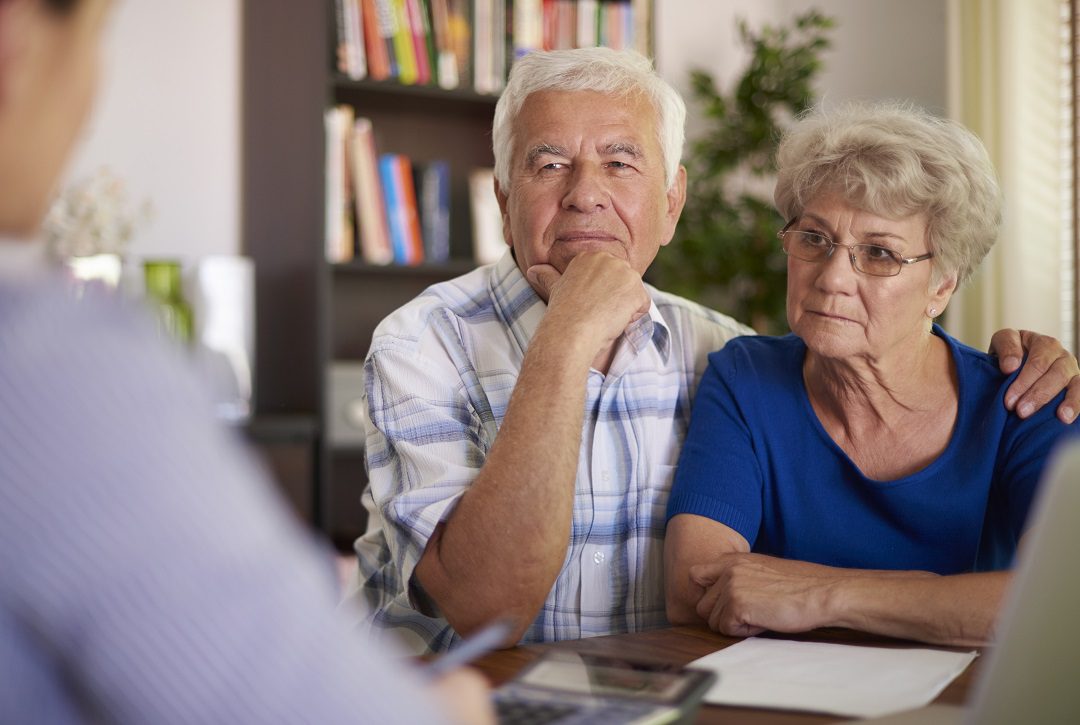







There is no ‘right’ or ‘best’ way to share the diagnosis. The aim is to have a positive experience of sharing so that other significant people in your life understand the changes they may have noticed and avoid misunderstandings. It may also mean that you and the person you support are more confident in asking for their assistance. When other people understand, it is easier for you to ask for support, and they may be more ready to offer support.
How to share the diagnosis
Sharing the diagnosis can create some tricky issues to navigate. It will be different for everyone. The following are some ideas on how to share the diagnosis:
- As the carer or supporter, it was likely you were there for the diagnosis. It is important to recognise that the diagnosis is news for the person with dementia to share, not yours. It is also important to encourage the person with dementia to be in control of whom, when and how to tell their diagnosis.
- Some people with dementia decide to share their diagnosis themselves, others might ask you or someone close to them to share the news, if they don’t want to have that potentially difficult conversation. Feeling comfortable with this decision beforehand helps you both feel more in control.
Heinrich asked his oldest son to be the family spokesperson.
Ron told his golf club committee. He proposed, and then, with the committee, organised a fundraising dinner for dementia research. A guest speaker explained the condition and gave tips on how to give effective support.
- Planning what you are going to say beforehand is helpful. Suggest the person write down points they wish to share. Be prepared to talk to the person you support about how they want or don’t want to be treated.
Mario told his group of mates before their annual fishing trip “I’ve been diagnosed with Alzheimer’s. I’m fine to head out on the trip, but I have decided to give up my driver’s licence, just to be on the safe side. I’d really appreciate it if I can be a passenger this year”.
- We’ve talked about the different sorts of reactions people have and these can be difficult to predict. Planning where and how to share the news is also helpful.
Ismena felt most comfortable inviting friends over and telling them in her own home.
Gerrard and his wife arranged a family dinner to tell their adult children.
- Many people chose to tell people face to face, or by telephone. Some people chose to share the news in letters or by email. One person told us she announced her diagnosis through her annual Christmas letter.
- Be prepared to address preconceptions and stereotypes about dementia, as well as questions. You can direct people to this website, give them a printout from this website, or Dementia Australia’s website to tell them more about dementia.
When to share the diagnosis
The is no right time to share a diagnosis. It is often a process that you and the person you support need to work through. Some people tell people gradually as they see them, some people tell everyone straight away. Others choose to not tell anyone for many months.
Many people start by telling the people they feel closest to. This usually includes immediate family and close friends who will support you most emotionally and practically. These might be the people you want to talk to about thoughts and feelings about having a person you love with dementia. Later you may want to share the diagnosis with casual friends or acquaintances.
Help to share the diagnosis
The Circle of Friends Worksheet can help you to decide with whom you are going to share the diagnosis and plan what you’re going to say.
Contact Relationships Australia if you need assistance with preventing or resolving family conflict, having difficult conversations, or planning for the future (including medical, health, financial and living arrangements).