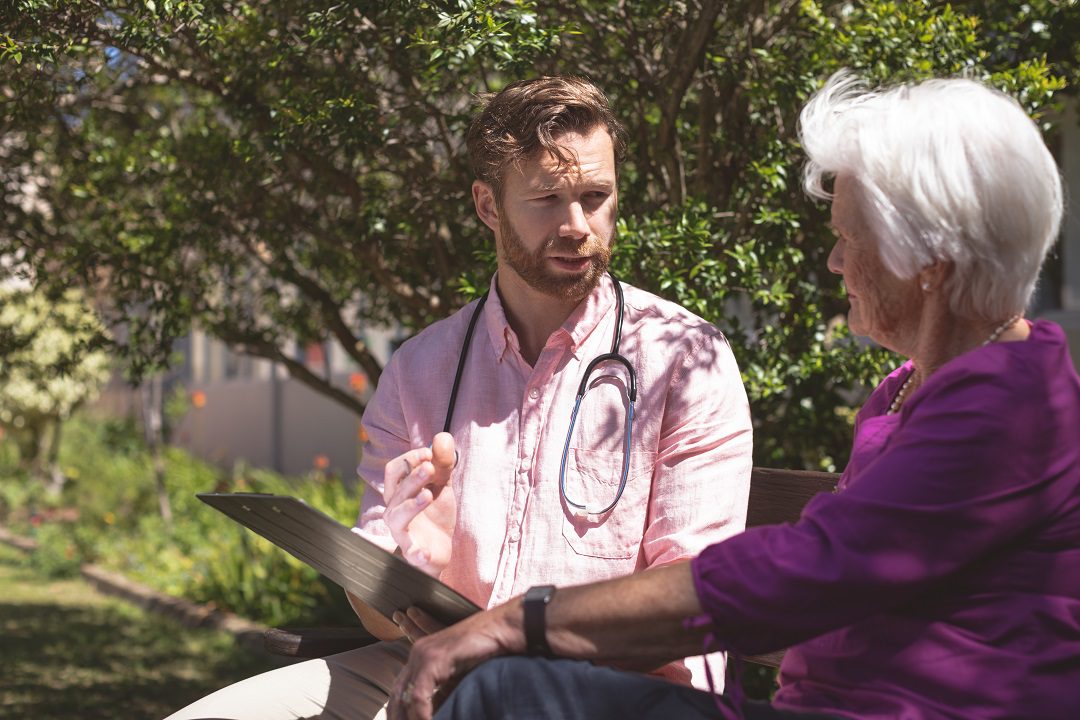






Families and friends are often immensely supportive of the person with dementia and the primary carer. However, many carers tell us others may act awkwardly, avoid contact, or talk about dementia in unhelpful ways. These reactions often come from uncertainty or misunderstanding rather than bad intentions, but they can still hurt.
When others treat you differently
- Carers have said that quite often other people, including doctors and health professionals, speak to carers, rather than the person with dementia when the person with dementia is in the room. This is awkward and makes some people with dementia feel invisible and ignored. In situations like this, Margaret either turns to John and gestures for him to answer or says, “John can answer that question himself”.
- Sometimes people with dementia and carers are left out of an activity that they would have previously taken part in or been invited to. This can make both of you feel excluded or isolated. Frequently the reason is the organiser simply doesn’t understand dementia. If it is an activity that you or the person would like to be involved in, feel confident in contacting the organiser or another involved person to advocate on your behalf. Often issues can be solved easily, such as making adjustments to the activity. For example, Alan had someone help keep score for golf, and Christine had another person provide transport to her service club meetings after she gave up driving.
- Carers often tell us that friends fall away after their person received a diagnosis of dementia. Geoff said he was surprised that people he thought were best friends just stopped calling, while others he knew less well stuck with him and his partner Michelle. Sometimes friends are anxious about dementia and how to ‘act’ around people living with dementia. Simply letting them know you are both still the same people as you were last week/last month/ last year may lessen their anxiety. Some other carers have found that new friends they meet through support groups have been terrific support.
Combating stigma
Stigma happens when people make assumptions or behave negatively because of the dementia diagnosis. Naming stigma when you see it, and having a plan for how to respond, can make a big difference. You might:
- Choose to correct misconceptions gently.
- Ask a trusted friend to speak up or advocate for you.
- Share educational resources (for example, from this website or Dementia Australia).
It can also help to talk about your experiences with others who understand. Dementia friendly community groups or carer support groups can provide empathy and practical ideas to help.
[Callout title]
Identify times when you might have felt others are treating you or the person you support differently, because the person you support have dementia.
Use the tips on this page or ask someone to advocate for you to address stigma.