






Speech pathology (therapy)
Speech therapy is provided by a trained health professional known as a speech pathologist. Speech pathologists help with all aspects of communication – verbal expression, understanding others, and following conversations. This includes support with word-finding difficulties or storytelling. Speech pathologists often work with family to improve two-way communication.
- Speech Pathology Australia’s website explains more about what a speech pathologist does.
- You can search for a speech pathologist in your area using this search function.
- This video may help you to understand changes that happen in communication or speech.
- The Australian Aphasia Association provides services, information, support, and advocacy for people with language difficulties and those working with them.
Occupational therapy
Occupational therapists (OTs) are trained health professionals who support people to manage everyday activities. This may include practising how to use public transport, walking safely with aids, navigating apps on a smartphone, or carrying out household tasks. OTs will also advise on home modifications to improve safety and function. Research shows occupational therapy helps people with dementia maintain independence and delay the need for residential care.
OTs work with carers and some OTs are specifically trained to assess driving. Particularly for people with younger-onset dementia, OTs work with people and employers in job redesign and work environment adaptations.
Behaviour support
Behaviour support, often delivered by psychologists or specialised dementia clinicians, can help manage changes in behaviour or personality. Therapy may involve identifying triggers, developing personalised strategies, and supporting carers to respond calmly and consistently. Behaviour support can reduce agitation, anxiety, or socially challenging behaviours and improve quality of life for both the person with dementia and their carers.
- Dementia Support Australia offers free, 24/7 behaviour support information and advice
Other therapies
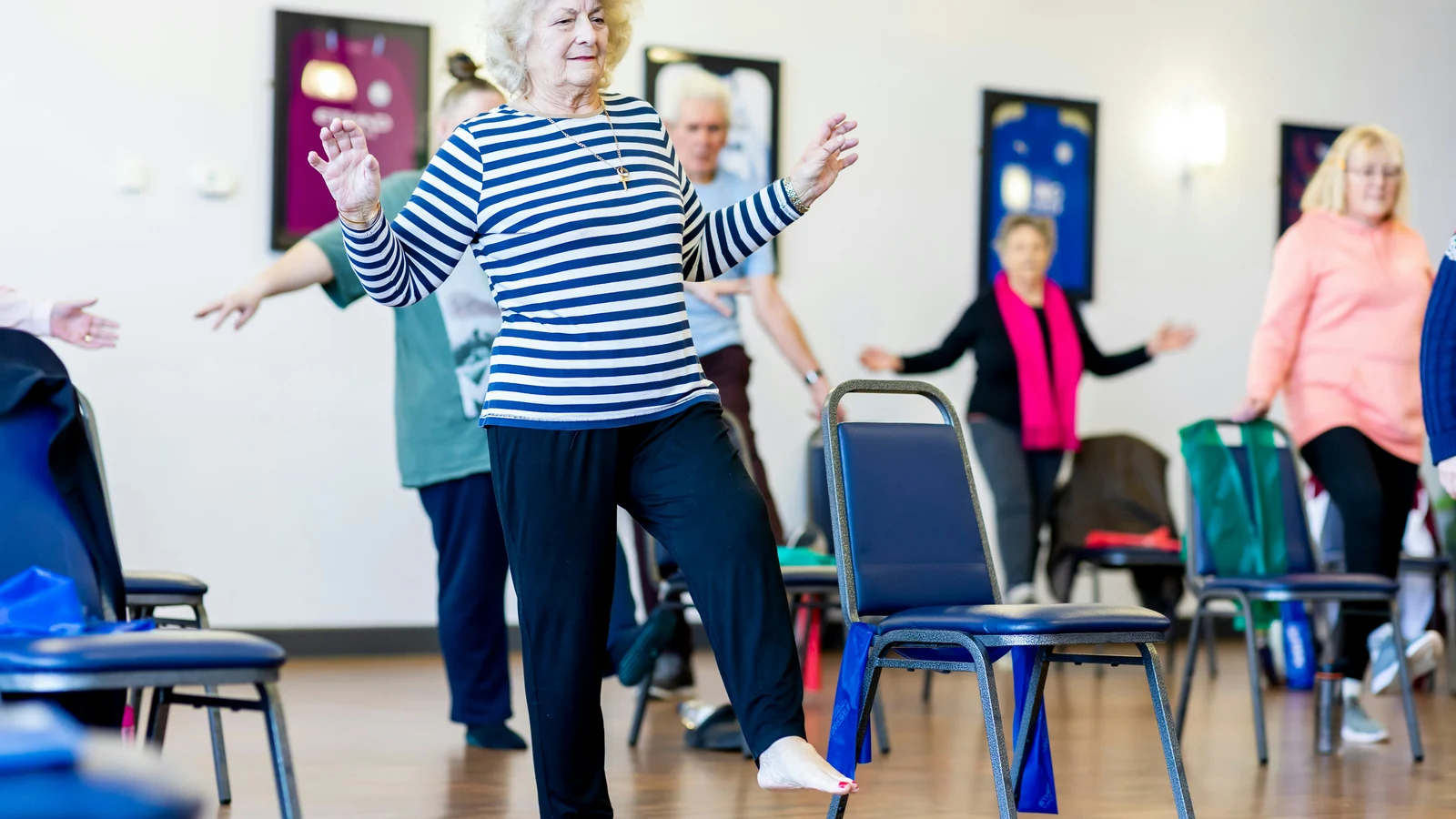
- Physiotherapy supports mobility, balance, exercise programs and fall reduction programs. Physios also help a comprehensive approach to managing pain.
- Exercise physiology supports and improve fitness, strength and balance.
- Music, art, or recreational therapy – encourages engagement, emotional expression, and enjoyment
See the page 5.5 Types of Services on getting funding for these therapies.
Get subsidised therapies
- Ask the person’s GP for a Chronic Condition Management Plan which provides five subsidised visits to allied health professionals per year.
- If your person has an NDIS or Support at Home program, ask your service provider about allied health professionals as these can be paid for via the package.
Photo: Centre for Ageing Better via Unsplash.