






If you do not drive yourself, family, friends and neighbours are often available to give lifts. Some people like to offer to pay for the petrol or give a contribution towards the cost of charging an EV if they are a passenger. Other strategies to help when giving up driving:
- Consider changing services like hairdresser, pharmacy or exercise classes so they are easier to get to without driving. If possible, go to one place that offers many services, so only one trip is needed.
- Try and use the same taxi or Uber driver. Having a familiar driver can make getting around easier. If there is a particular driver you like, ask for their number so you can book them again.
- If your person living with dementia uses a smartphone, set up a ride sharing app such as Uber, Didi or Shebah (which has women drivers and only takes female passengers). This makes it easy to call a driver when you are home or out.
- If you or your person has not used public transport in a while, consider taking some practice trips. You can work out the most convenient routes and point out landmarks along the way.
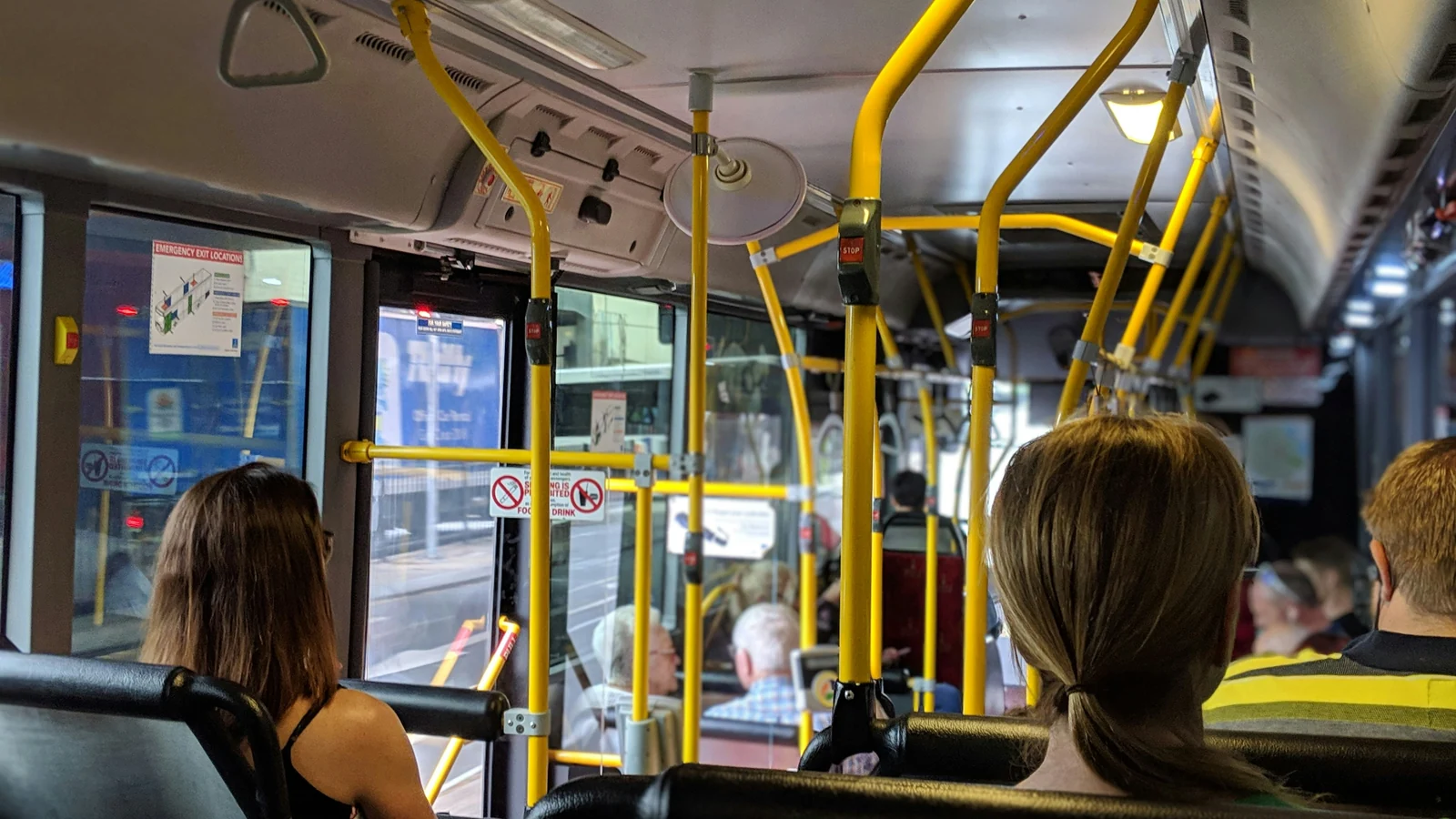
Alice gave up her car and started taking the bus to the shops and community centre. She used the “I have dementia card” to avoid long explanations and ask the bus driver to help her identify her stop.
Taxi subsidies
Government programs provide taxi subsidies for people who cannot drive or take public transport due to a medical condition or disability. People with dementia may be eligible for these programs in your state or territory. Your person will need their doctor to complete an assessment which differs slightly by state/territory. Some schemes will subsidise the cost of ride-sharing services such as Uber, others do not. Check your state or territory in the list below for a taxi subsidy service:
- New South Wales: Taxi transport subsidy scheme
- Victoria: Multi-purpose taxi program
- Queensland: Taxi subsidy scheme and lift payment
- Western Australia: Taxi user subsidy scheme
- South Australia: Taxi fare subsidy scheme
- Tasmania: Taxi subsidy program
- Northern Territory: Transport subsidy and incentive scheme
- Australian Capital Territory: Taxi subsidy scheme
Community Transport
Community transport can take you by car or small bus to medical appointments, social activities, exercise, and to do your shopping. Community transport is for people who are unable to drive or take public transport without help. Federal and State governments fund community transport. Community transport is currently part of the Commonwealth Home Support Program (CHSP) (see 5.5 Types of Services).
Use the links or contacts below to find a community transport provider in your locality. They will tell you whether your person is eligible, how to apply and what your person might need to pay as a contribution to the cost.
- New South Wales
- Tasmania
- Victoria
- Queensland
- South Australia
- Australian Capital Territory
- Northern Territory– contact NDIS or My Aged Care (1800 200422)
- Western Australia -contact your local government (local council) services for options in your region
Photo: Mitchell Johnson via Unsplash.