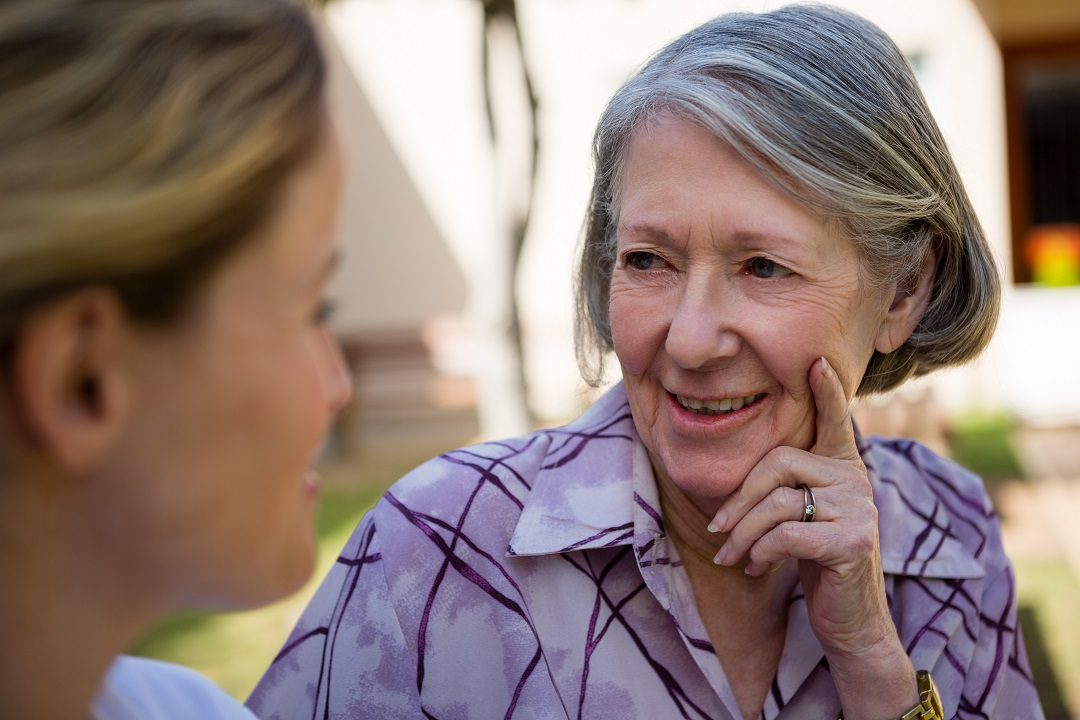







Carol still appeared cheerful to Geoff following his diagnosis. The specialist took the trouble to explain to her the importance of keeping Geoff engaged. That he should continue to play bridge, see the grandchildren often but for shorter times, and to keep his meals tempting. No one thought to consider how Carol was feeling or about how her life would be changed by the diagnosis.
In all honesty, Carol felt Geoff hadn’t noticed that she was still coming to terms with her feelings, the loss of her partner and soulmate. Geoff used to have such a happy relaxed attitude, he’d been the life and soul of all the gatherings they went to. Now Carol felt that she was trying constantly to fill the void as Geoff withdrew.
Carol knew she was missing their ‘old’ life. Missing her Geoff, her rock for so long in their marriage, missing his lame jokes and kind hugs. But who could she talk to who would not judge her, think her silly or selfish when Geoff was clearly still present, just not like he was before?
Carol talked with a close friend, Elaine, who had been recently widowed. Elaine understood straightaway as she experienced grief and loss when her own husband died, but also in the last year of his life as he approached death.
Elaine persuaded Carol to seek help and recommended a psychologist she’d seen. It was the first time that Carol looked beyond her feelings to the cause of her grief and finally began feeling positive. By seeking help, she could begin to heal and move forward for herself and for Geoff.
The psychologist continues to offer support to Carol as she grapples with the grief associated with losing the person she loves, their shared time, and Geoff’s different behaviours. Carol relishes the glimpses back into what they once had, and seeks support from understanding friends, and supportive professionals.
Receiving a dementia diagnosis
There are counselling services, support groups and advisors who can help you come to terms with diagnosis and take the next steps forward. Read 2.3 When feelings threaten to overwhelm you and 2.4 Plan to prevent depression.