





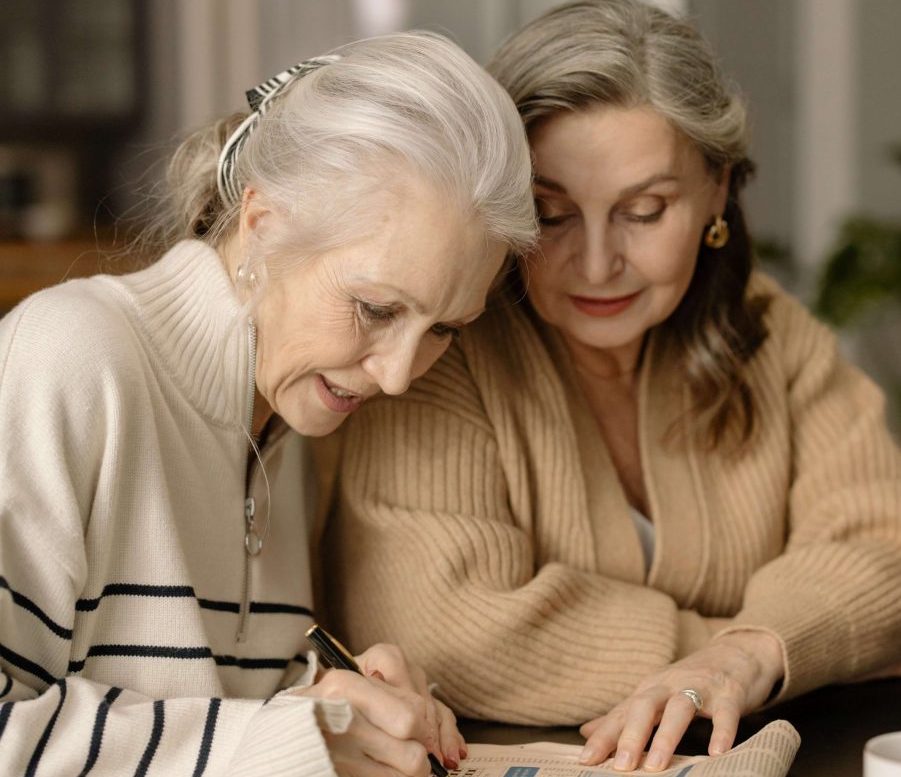
Kerrie was the ideas person, the spontaneous one who loved life and never planned ahead. Her partner, Maeve, had always been the organiser in their relationship.
They shared so much over the years: their mutual love, the reactions and acceptance of family and friends to their relationship, their joy in nephews and nieces, and a love of sport and travel within Australia.
When Maeve started to forget about their regular activities Kerrie noticed but didn’t give it too much thought. Then Maeve couldn’t remember where her favourite niece lived and she started to constantly retell a favourite tale of her days in college.
Maeve nearly caused a major accident, driving through a red light and Kerrie realised something was wrong. Maeve was not aware of what she’d done and aggressively denied it.
The diagnosis of dementia was a shock to them both. Maeve and Kerrie talked at length about their future and the best way forward. They knew some things would have to change, and they needed to plan for more changes in the future.
Their first priority was to stay active. Kerrie realised she needed to take over organisation of their daily activities – a change of roles for them both. Kerrie began looking after their calendar and reminding Maeve what was happening each day.
When they told their tennis club friends about the diagnosis, they offered to pick Maeve up each Tuesday, as she could no longer drive. This gave Kerrie an afternoon to do her own thing. At first, Kerrie was reluctant to take up this offer, but when she tried it, she realised the short break was good for her as well as Maeve. It helped Maeve feel more independent. Kerrie kept a roster of friends who would pick Maeve up each week.
Maeve was struggling with putting away laundry and emptying the dishwasher, so Kerrie labelled the cupboards, and shelves. This helped no end. A small change, but such a big help which meant Maeve could keep doing everyday things.
Both Kerrie and Maeve decided now was a good time to prepare for their future. They got their wills and advance care directives in order and talked to their closest nieces about their wishes for the future.
Managing changes and getting support
There are many things you can do to make managing changes easier. Read these pages:
Planning for the future
Read these pages about planning for the future: