





After a diagnosis of dementia, many people are left wondering: “What can I actually do now?”
One area that is becoming increasingly important is exercise and reablement. Exercise is highly valuable for helping people continue to move well, stay independent, and do the things they enjoy for as long as possible.
How an Exercise Physiologist (EP) can help
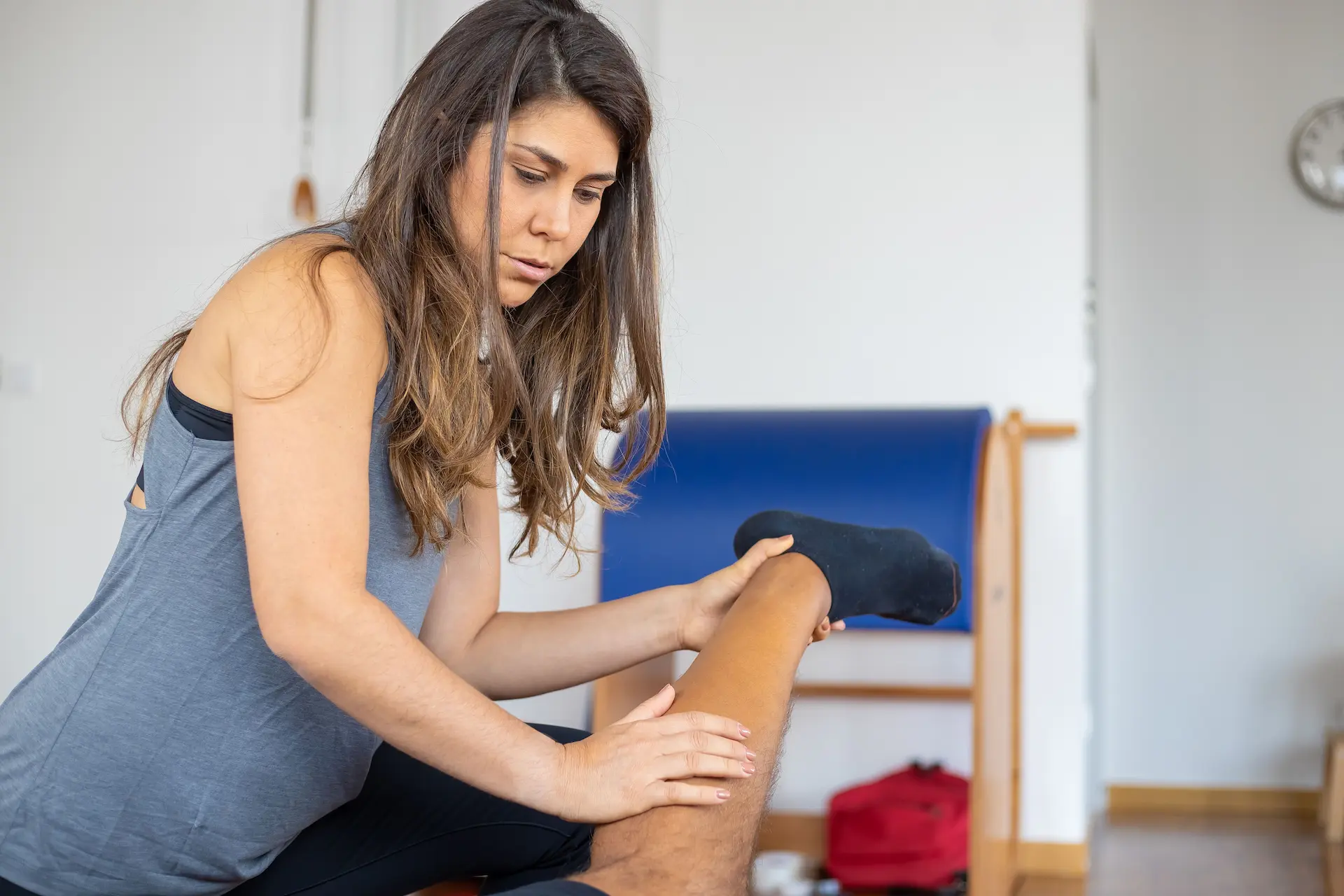
Exercise Physiologists are university-qualified allied health professionals accredited through Exercise & Sports Science Australia (ESSA) who use exercise to support people living with health conditions, including dementia. Importantly, exercise programs are not “one size fits all.” Around half of people living with dementia also have three or more other health conditions, so exercise needs to be safe, tailored, and realistic for the individual.
An Exercise Physiologist often works with people living with dementia and their carers to help them understand how exercise can support brain health, balance, mobility, confidence, mood, and quality of life.
Working with an Exercise Physiologist to develop a tailored exercise routine might include:
- Strength exercises to maintain physical function
- Balance exercises to improve confidence and reduce falls risk
- Walking or aerobic exercise to support cardiorespiratory and cognitive health
- Building routines and confidence around movement
- Adapting exercise as changes occur over time
- Encouraging social connection through group exercise classes
One of the most important things we remind families is this: it is never “too late” to benefit from movement. Exercise can be adapted for different abilities, environments, and stages of dementia.
How do I find an Exercise Physiologist?
To find an EP near you can search the ESSA “find an exercise professional”.
Exercise Physiology services can often be accessed in clinics, at home, or in group classes, and may be supported through Medicare, private health insurance, and/or other government-funded programs. How frequently you may need to see an Exercise Physiologist depends upon your personal needs and goals.
A dementia diagnosis changes many things, but it does not mean a person has to stop moving, participating, or enjoying life. With the right support, people can continue to move better and feel better through exercise, while carers also gain guidance and reassurance along the way.
About the author
Jack Menzies is an Accredited Exercise Physiologist based in Moss Vale, NSW. At Effect Exercise & Rehabilitation, their qualified Exercise Physiologists deliver exercise and re-enablement services in both individual and group settings. Providing expertise and care to help people move better and feel better.
Image: Kampus Production via Pexels