





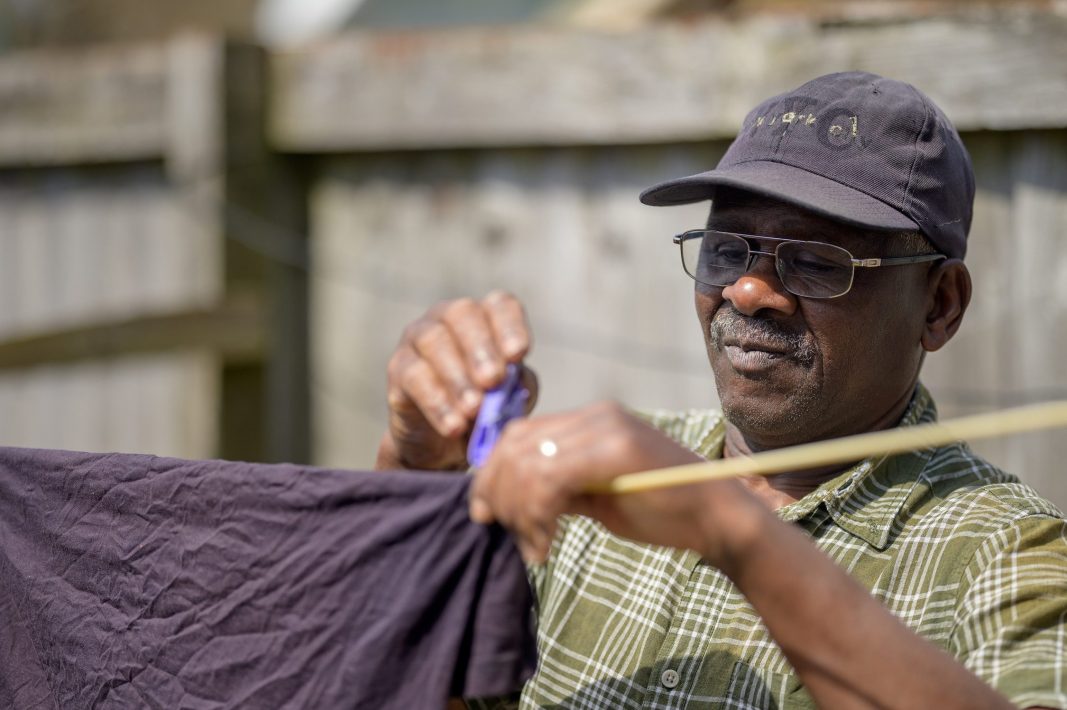
Michael had been a widower for eight years, and the void left when Wendy died had been hard. He had finally adjusted to living on his own, but after his diagnosis, he felt shocked and felt overwhelmed.
He first spoke to his daughter, Janey, in Brisbane. She suggested they both write lists of things to help prepare him for future changes. They shared concerns and tears. Michael wanted to stay on his own as long as possible, and continue to lead his life his way.
When they compared lists a week later, they were both surprised how many ideas they had in common. They both agreed that the most important idea was to talk on the phone every other day.
Michael found these ideas to be the most helpful and he is keen to share them with anyone else living on their own:
- Put a list of people you may need to contact on the fridge, with their numbers and a photograph to jog your memory if needed, including other family, close friends, the doctor, dentist, taxi and computer repair man.
- Have smoke detectors checked regularly.
- Cook more with the microwave so that it switches itself off.
- Set up direct payments via your bank for insurance, household bills, and health insurance.
- Start using a tablet box or get Webster Packs which the pharmacist can prepare. This helps you remember when and which tablets to take each day. Take up the pharmacy delivery service.
- Make lists ahead of weekly activities like when services such as the garbage truck comes.
Living alone doesn’t equate to being lonely! Michael is optimistic about his future and hopes his ideas and experiences will help others.
Managing changes
There are many things you can do at home to make managing changes easier. Read this page: 3.13 Strategies from others to deal with difficulties at home.