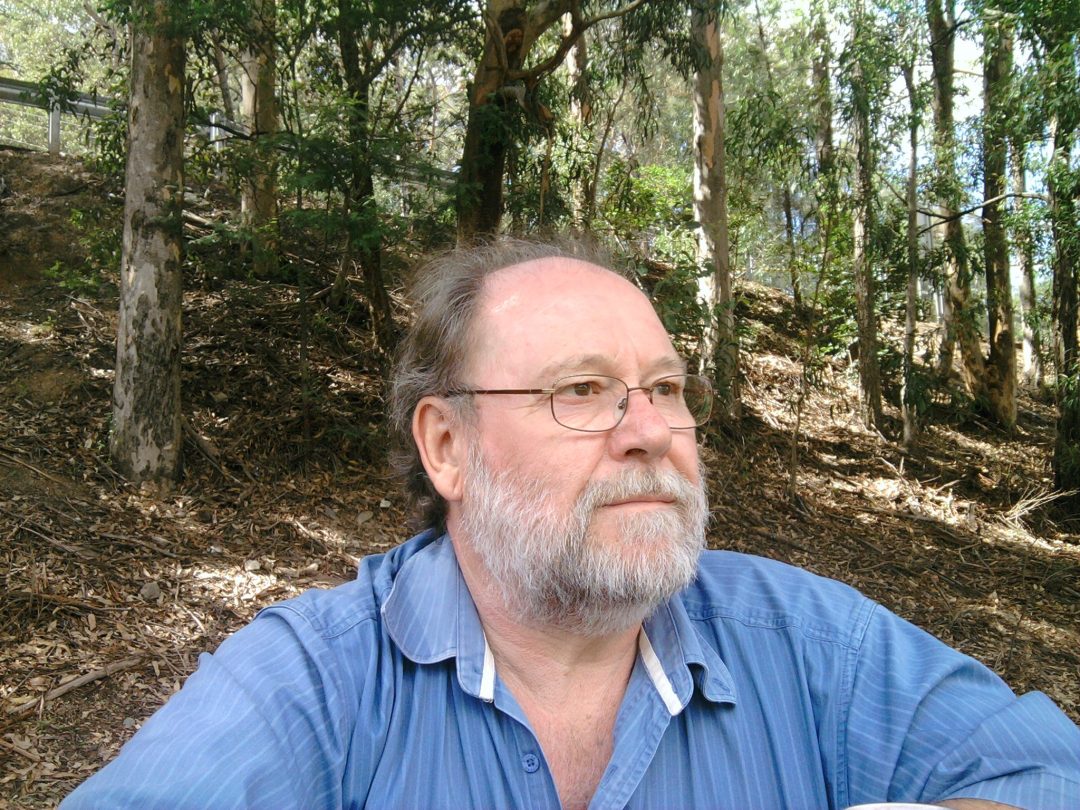






The dementia diagnosis Phil received from a neurologist was a shock to both him and his wife. It was delivered bluntly, with no reference to any organisation that might provide ongoing support and information. They were told to go and put their affairs in order. They felt miserable, uninformed, and isolated.
Phil was in his mid-50s and had enjoyed a successful career with many opportunities for travel. After his diagnosis, he gradually reduced his work hours until he decided on an early retirement.
He felt, at that time, the medical profession didn’t think it was possible for him to live an active and fulfilling life anymore. He struggled to find a GP who would take on a new patient with younger onset dementia. He struck lucky on his fifth attempt to engage with a practice, and although it is quite a journey to visit, he is happy with the care provided. His new GP is a keen learner and offers extended appointments and the practice staff are always welcoming.
The turning point for Phil and his wife in moving forward with dementia was getting in touch with Dementia Australia. They offered an eight-week course, which covered many practical aspects of living with dementia. It included more information about the condition, the chance to talk with other people in similar situations, and an informative talk by a lawyer.
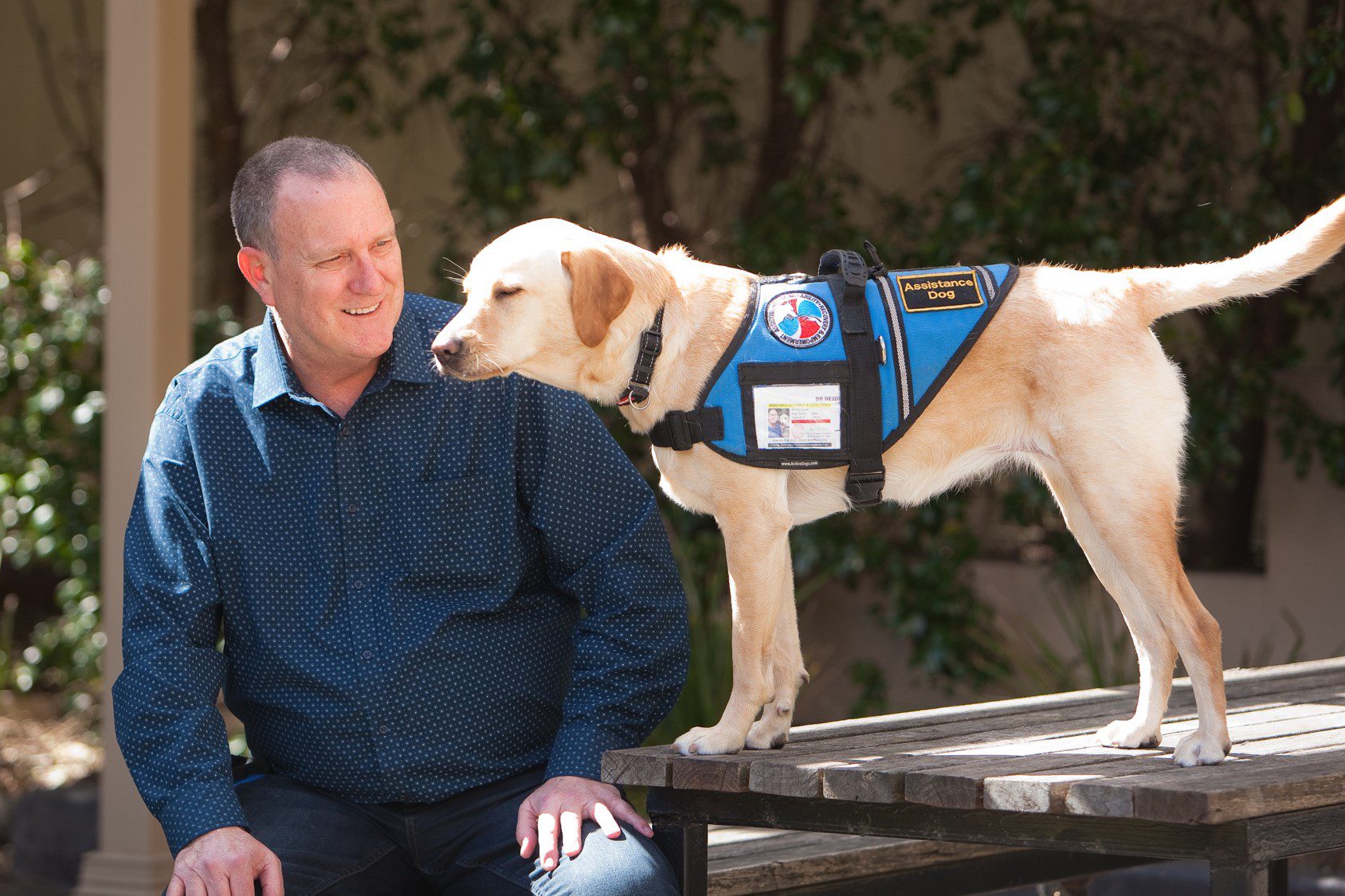
There have been huge adjustments in their lives, but Phil has a bright outlook on life. He retained and strengthened his connections with Dementia Australia and is now one of their dementia advocates. He works hard for the organisation and has made new friends and associates through his work. Additionally, he is chair of the Dementia Australia Advisory Committee, and an advocate for assistance dogs for those living with dementia.
Phil’s optimistic manner and persistent effort to stay in control and independent have helped him lead a busy, positive life with dementia.
Receiving a dementia diagnosis
There are many ways to learn more about dementia to help you move forward with the diagnosis. Read the pages 1.3 What to ask your doctor and 1.4 Learn from dementia experts.
There are counselling services, support groups and advisors who can help you come to terms with diagnosis and take the next steps forward. Read 2.3 Support to adjust to diagnosis.
Moving forward: be assertive and resilient
Be assertive so that you’re involved in your management decisions: 2.10 Tell other health professionals.
Some people find meaning in relation to having dementia by volunteering in research, or working as a dementia advocate: 4.6 Build emotional resilience.