





This week the New York Times reported that the US Food & Drug Administration (FDA) granted accelerated approval for lecanemab, an anti-amyloid antibody, based on the detailed results of the phase 3 trial published in the prestigious New England Journal of Medicine and simultaneously presented at a major conference on 29th November 2022.
As foreshadowed in the earlier press release, lecanemab (marketed as Leqembi) showed a slowing of cognitive decline and a marked reduction in amyloid, the toxic protein that accumulates in the brain in Alzheimer’s disease.
This was not a cure! People on the drug and on placebo both declined. However, those on lecanemab had a 27 percent reduction in decline over 18 months or were 5 months better off than those on placebo.
The incidence of side effects, known as ARIA (amyloid-related imaging abnormalities) comprising brain swelling or oedema and/or microhaemorrhages, was 12.5 percent. While there side effects were usually mild and spontaneously recovered, three deaths have been reported in the top-ranked journal, Science. Researchers suspect the antibody weakened blood vessels in the brain as it attacked the amyloid plaques lining them. All the patients were taking anticoagulant drugs at the time, which may have worsened the bleeding.
Lecanemab is administered intravenously fortnightly for at least 18 months. A subcutaneous preparation is under trial. Eisai and Biogen will sell the drug at $US26,500 annually. Patients are advised to have three MRI scans over the first seven months to check for ARIA side effects.
Lecanemab will require Therapeutic Goods Administration (TGA) approval which means it will be some time before it is available in Australia. Whether the US or Australia approves subsidised medication is not yet known. One analysis calculated that the cost would need to be $US20,000 to break even on a cost-benefit analysis.
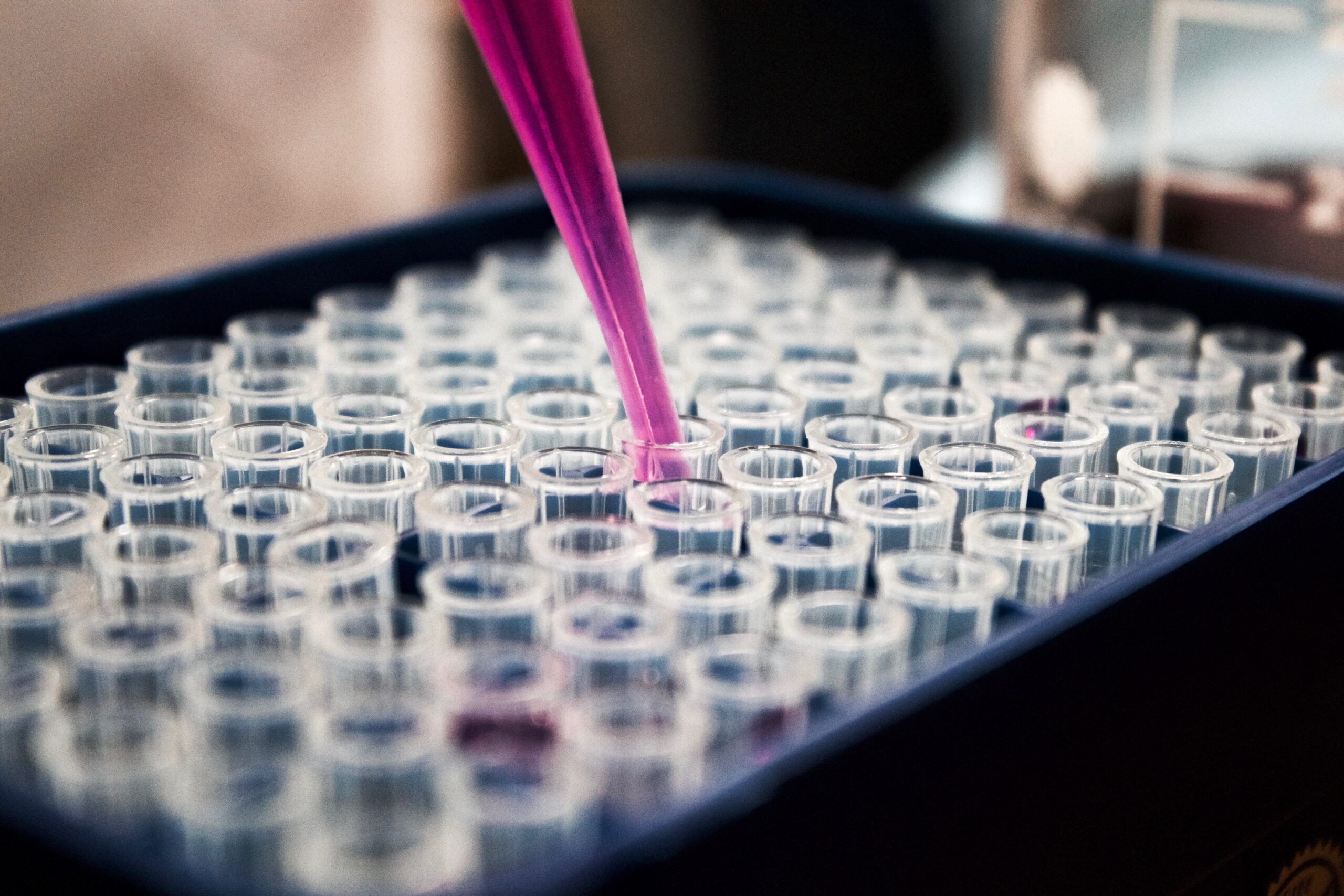
Photo by Louis Reed on Unsplash
Previous updates
Previous medication updates by Prof Henry Brodaty:
Other information
Other information on medications: