





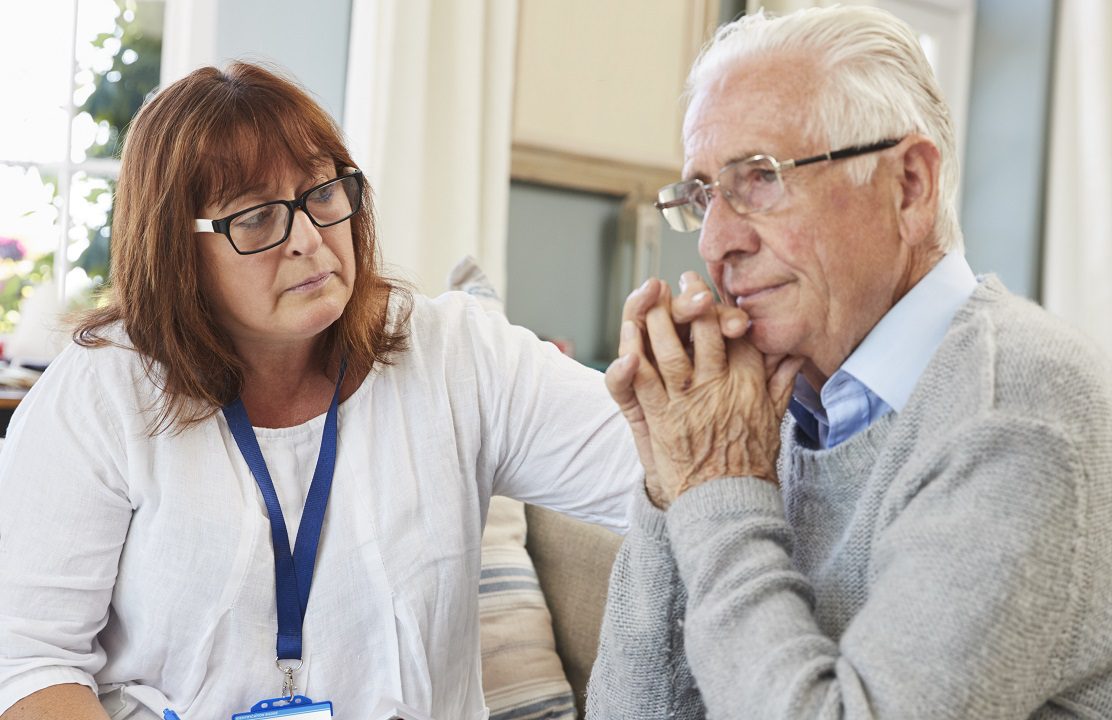
People often feel extremely distressed and upset when first diagnosed. Others describe a sense of grief and loss. Some people feel angry that this is happening to them while some are relieved they finally have an explanation for what is happening.
Almost all people with dementia describe strong emotional reactions to their diagnosis. Many people felt overwhelmed and couldn’t listen, think or do much immediately after the diagnosis.
For some people it takes a couple of days, for others a couple of weeks before these strong feelings settle down. If it takes more than a few months and you’re still feeling extremely distressed about the diagnosis, then it may be time to get help.
Sometimes the idea of having dementia can be more disabling than the symptoms. For instance, people with dementia may feel strong grief and loss and constantly worry for themselves, for their future, and for their loved ones.
These feelings and thoughts may get in the way of participating in life right now. Working through these feelings can help you to get back to enjoying life again.
Support to adjust to the dementia diagnosis
Dementia Australia offer free, confidential, professional counselling for individuals, families, couples and professional carers at all stages of a dementia journey. To access this service call the National Dementia Helpline on free call 1800 100 500.
Post-diagnostic counselling for recently diagnosed
Dementia Australia also offers a 6-month telephone or online counselling program for people recently diagnosed with dementia. To access this service call the National Dementia Helpline on free call 1800 100 500.
Mental health support
Some people develop anxiety or depression in reaction to their diagnosis of dementia. Talk to your GP about how you’re feeling. They can assess your mood and give you a Mental Health Treatment Plan if needed. A mental health treatment plan means you can get subsidised visits to see a psychologist, occupational therapist or social worker, up to 20 individual appointments a year.
Other supports
People with dementia and carers find attending an education and support group, or an online support group really useful to learn more about dementia, share stories and make friends with others going through the same experience. For many people, meeting others living positively with dementia is a turning point in finding hope.
Learn from others with dementia
Learn from others with dementia: