





This is the story about Brian making the decision to stop driving, and how he and his wife, Vicky, coped with the change…
Some of my recollections about the day I was diagnosed are hazy, distant, and seem like they may not have happened. What has stayed with me is a sad conversation I had with my wife, Vicky.
We came out of the hospital, both a bit shaken. Going in for that appointment we’d half expected and half denied that I had dementia, but now it was definite. And there were changes which I knew I needed to make right there and then.
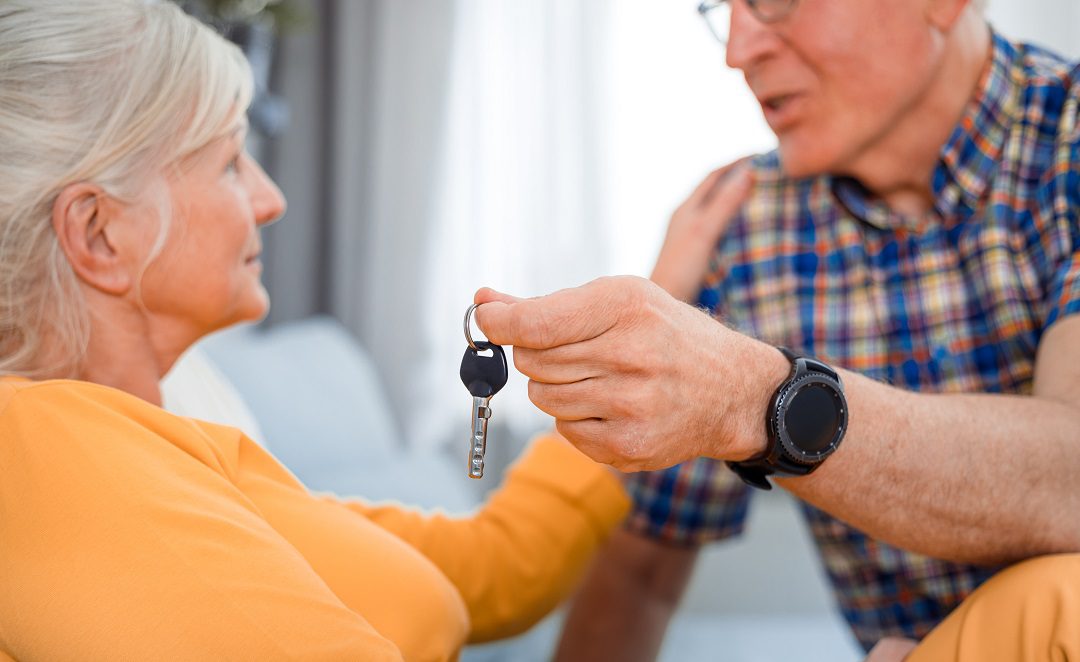
We got back to my car, as Vicky’s small Swift was at home. I decided, if I had dementia, I would not drive again, it just did not sit well with me to maybe risk a crash. Handing Vicki the keys, she looked a tad surprised, then sad. “Oh Brian, this is a big thing for you,” she said.
We left the city and started to talk about it. The way my love of cars and driving had shaped our past, even five years ago when we bought our caravan. At first Vicky had refused to tow the van, but I had insisted that she try. I’d seen two of our friends with health issues stop driving, and their wives became totally marooned without them.
Now Vicky is relaxed towing the van in traffic and driving my ute. Although I loved driving on the open road, it was, and still is, more important for me that Vicky drives rather than risk causing a crash and damaging my good driving record!
I can’t say it was easy to stop driving, but it was my decision. Vicky, of course, set me up with other tasks, I now cook three nights a week. No one is in danger if that goes wrong, we have a great takeaway round the corner!
Managing changes
Read more about driving when you, or the person you support, has dementia: