





But for many people with dementia, taking part in face-to-face activities is difficult, particularly during the time of Covid-19. If you’re not able to get out, now is a great time to get digitally connected (if you’re not already) as there are plenty of online options to keep you socially and mentally active (see below).
Explainer
What are the benefits of being mentally or socially active?
To learn more about the benefits of being mentally or socially active for people living with dementia, read these articles on the website:
Need help with technology?
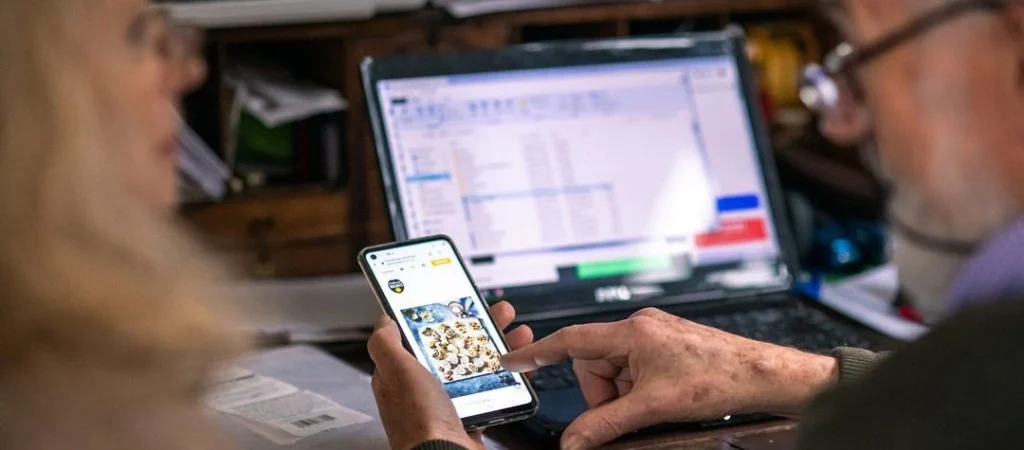
Be Connected is an Australia wide initiative empowering all Australians to thrive in a digital world. They offer online learning resources and a network of community partners – the Be Connected Network – who can help you develop your digital skills and confidence. Find a local place for friendly help and advice. Some areas are offering online lessons and support. Contact 1300 795 897 (9am-5am AEST).
Options for keeping socially active online
Peer support groups
Dementia Alliance International provide free, online peer-to-peer support groups and social groups for people with dementia for their members. Visit Dementia Alliance International to become a member and sign-up to one or more of the weekly group meetings.
Playing cards
CarzMania offers more than 25 multi-player card games for free. Games include:
- Canasta
- Euchre
- Hearts
- Spades
- Texas Hold ‘em
- Gin Rummy
- Crazy Eights
Singing
If you enjoy singing, consider one of these online options:
- Vivid Voices
- Soul Song Choirs
Reading
For bookworms, consider joining an online book-club where you read and discuss a book of mutual interest. Get in touch with your local library to see if they will delivery paper or audio books. They often host book-clubs and may offer online options.
Exercising
Read our recent article on keeping physically active at home.
Having a chat
The Australian Government initiative, FriendLine is for anyone who needs to reconnect or just wants a chat. All conversations with FriendLine are anonymous and their friendly volunteers are ready for a yarn and to share a story or two.
Contact: 1800 424 287

Options for keeping mentally active online
Brain training
Brain training involves mental exercises to improve different aspects of memory and thinking. Some people with dementia who’ve practised brain training believed that it helps them. If you are interested in trying computerised brain training here are some companies which offer tailored brain training programs online. You can try some of them for free but there is a monthly fee or you can buy a lifetime package.
For more information read the article on the website 4.7 Be mentally active
Online courses about dementia
People with dementia find online courses helpful and enjoy completing them. The courses are known as Massive Online Open Courses or ‘MOOCS’. MOOCS offer quality information and you can interact online with your lecturers and others doing the course. The University of Tasmania offers free, online 7-week courses about dementia, open to anyone.
Other courses to learn new hobbies and skills
Check the Courses for Seniors website which has portals for each state. It lists many of the local community education colleges and links to University of the Third Age. If you can’t find one in your area, try an online search for community college or U3A in your area. Many of their programs include art, history and general interest topics. Some may offer their programs online.
Online safety and wellbeing
Remember, whenever you are online:
- Don’t share passwords or personal information with anyone
- Create a username (and don’t use your real name!)
- Take time between online sessions to eat meals, drink some water, and keep physically active.
For more information about online safety consider the BeConnected eSafety Course.