





The first week of August is Dental Health Week and a timely reminder to get a dental check-up and improve your dental hygiene.
Senior Australians are more vulnerable to oral diseases including tooth decay, gum disease and dry mouth (which can be a side effect of taking medication).
Poor oral health can cause pain, discomfort and infections, and can make it harder to eat a range of nutritious foods like crunchy fruit and vegetables. Poor oral health can lead to malnutrition, cause issues with socialising, increase the risk of poor health generally and complicate management of illnesses such as diabetes, chronic heart failure and respiratory diseases.
Preventing oral disease
It is important to make regular visits to your dentist (every six to twelve months) but you should also take the following steps to help prevent oral disease:
- Maintain a healthy diet and limit sugary foods.
- Drink water after meals and after taking medication.
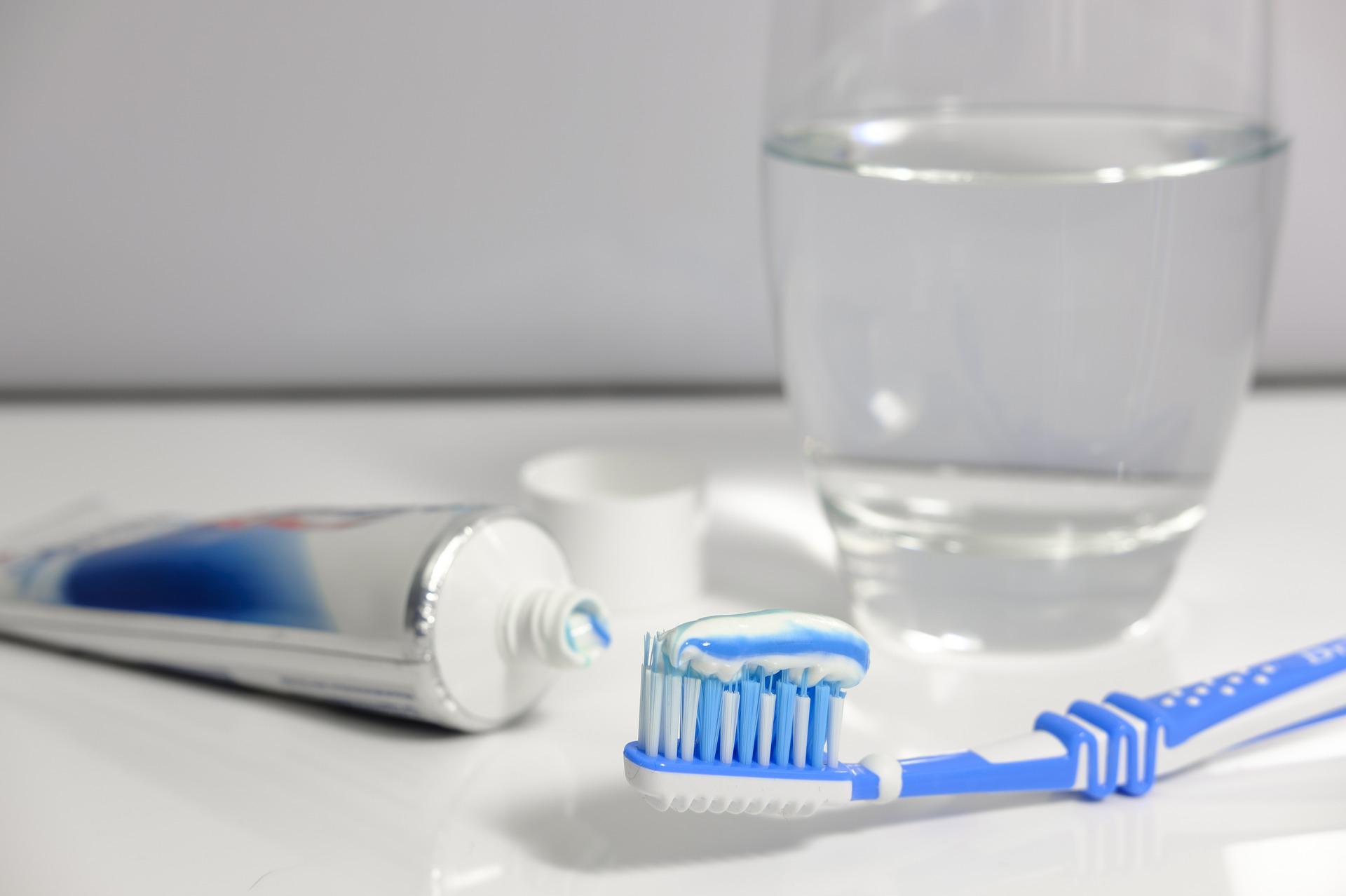
- Brush your teeth morning and night with a soft toothbrush and fluoride toothpaste. Make sure you brush your teeth, gums and tongue.
- Keep your mouth moist with regular sips of water and consider saliva substitute if necessary.
- If you have them, take care of your dentures with daily cleaning, correct storage and regular checks with your dentist.
Toothbrushing for people with dementia
Where possible, the usual toothbrushing routine should be followed, and you should continue to see your regular dentist for dental care. If toothbrushing becomes difficult, carers can assist with the toothbrushing process via the following steps, described by the Australian Dental Association:
- Chaining – The carer begins brushing the teeth and the person with dementia completes it.
- Bridging – The person with dementia holds a toothbrush while the carer brushes the teeth with a separate brush. This aims to improve the sensory connection.
- Hand over hand – The carer’s hand is placed over the person with dementia’s hand to guide the brush to clean the teeth together.
- Yawning – Yawn facing the person with dementia and hopefully this will stimulate a yawn in return so the person will open their mouth for their teeth to be brushed.
The Australian Dental Association also suggest:
- A three-sided toothbrush when brushing, known as the Surround Three-Sided Toothbrush or the Collis Curve.
- An electric toothbrush if it can be tolerated.
More information
More information on this website:
More information on external websites: